
In 2025, the housing market in Essex County, New Jersey, remains one of the most competitive in the state. A combination of historically low inventory and sustained demand has created an environment where single-family home prices continue to rise, often outpacing expectations. While this dynamic benefits sellers, it presents significant challenges for buyers navigating the county’s diverse communities.
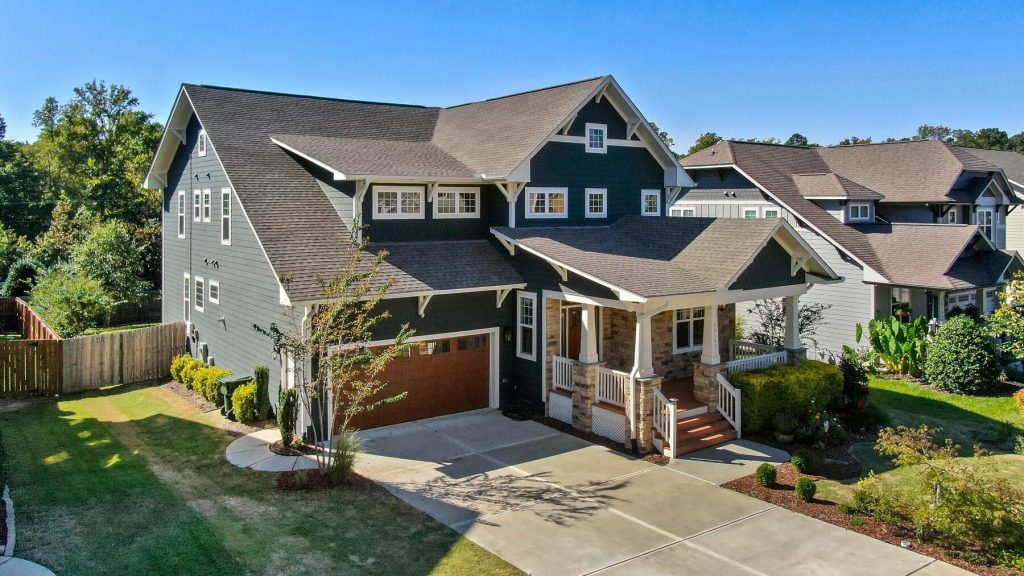
WHEN DEMAND OUTPACES SUPPLY
The New Jersey housing market has been under pressure from limited supply for several years, but conditions in Essex County are particularly pronounced. According to recent data, Essex has fewer than two months of single-family housing inventory available — well below the six-month benchmark that economists typically consider a “balanced” market.
In certain municipalities, supply is even tighter. Glen Ridge, for example, reported less than one month of inventory in mid-2025, while Montclair hovered around 1.2 months. These figures underscore a severe imbalance: homes are entering the market too slowly to keep up with steady demand, driven by factors such as Essex County’s proximity to New York City, strong school districts, and vibrant suburban-urban communities.
ESCALATING COSTS OF ESSEX COUNTY LIVING
Low inventory has had a direct effect on pricing. With more buyers than available homes, bidding wars have become common, pushing sales above list price. Recent Redfin data shows that Essex County homes have been selling for more than 100% of asking price on average in 2025, a clear sign of competitive conditions.
Here is a snapshot of average single-family home values in key Essex County municipalities (2025):
| Town | Average Home Value (2025) |
| Montclair | $1,131,598 |
| Livingston | $1,051,178 |
| South Orange | $1,080,841 |
| Maplewood | $934,850 |
| Newark | $485,003 |
| West Orange | $656,791 |
These figures illustrate how high demand has elevated prices county-wide. Popular commuter towns such as Montclair, Livingston, and South Orange now average around $1 million per single-family home. Even Newark, historically the most affordable market in the county, reports values approaching half a million dollars.
COMPETING FOR LIMITED HOMES
For buyers, limited inventory means fewer choices, quicker decision-making, and often higher financial commitments. Homes frequently go under contract within days of being listed, creating a sense of urgency. Multiple-offer situations force many buyers to exceed asking prices or adjust expectations in terms of property features, location, or condition.
There are several strategies to compete effectively: securing mortgage pre-approval before beginning the search, being prepared to make offers quickly, and expanding search parameters to include less competitive towns or homes that may require some renovation. While these approaches can improve outcomes, the reality is that the market heavily favors sellers, and buyers often need patience and persistence to succeed.
WHY THE MARKET WORKS IN SELLERS’ FAVOR
For homeowners considering selling, 2025 represents an opportune moment. Essex County’s constrained inventory means most well-priced, well-presented homes attract strong interest. Properties often generate multiple offers and sell above the asking price.
However, even in a favorable environment, strategy remains important. Sellers who prepare their homes through staging, repairs, and professional marketing tend to achieve stronger results. Pricing also plays a critical role: listings that enter the market competitively attract more interest and may spark bidding wars.
One consideration for sellers is the challenge of finding a replacement home. Since inventory is tight across the county and throughout much of New Jersey, homeowners who sell may face similar competition when buying their next property. Many choose to negotiate flexible closing terms, rent-back agreements, or temporary housing arrangements to bridge the gap.
TOWN-BY-TOWN BREAKDOWN
- Montclair and South Orange: Popular with New York commuters, these towns are known for their cultural amenities, walkable neighborhoods, and strong schools. Inventory shortages here are particularly severe, keeping prices above $1 million.
- Livingston: A family-oriented suburb with large homes and highly rated schools. Home values have exceeded $1 million on average, reflecting strong demand from buyers prioritizing space and education.
- Maplewood and West Orange: Offering a blend of affordability (relative to Montclair) and access to NYC, these towns remain in high demand. Maplewood’s average price is nearing $935K, while West Orange homes average around $657K.
- Newark: As the state’s largest city, Newark continues to attract both investors and first-time buyers. While average values are lower than the suburbs, prices have still climbed significantly, showing that demand extends into urban areas as well.
BROADER ECONOMIC FACTORS
Several economic forces continue to influence Essex County’s housing shortage:
- Limited New Construction – High land costs, zoning restrictions, and construction expenses make it difficult to add new single-family housing stock, particularly in desirable suburbs.
- Population Growth and Migration – Many buyers continue to move from New York City into Essex County for more space and relatively better affordability.
- Interest Rates – Although mortgage rates in 2025 remain higher than pre-pandemic levels, they have stabilized enough to keep demand strong. Buyers remain motivated by lifestyle factors, even with borrowing costs elevated.
- Investor Activity – Institutional and individual investors remain active in parts of Essex County, particularly in Newark, competing with local buyers and adding to demand pressures.
MARKET OUTLOOK
Forecasts for the remainder of 2025 suggest that New Jersey home prices will continue to rise, though at a slower pace than in 2024. Analysts project statewide price growth of approximately 4% this year, compared to double-digit increases the year prior. Essex County is expected to mirror this trend: prices are likely to keep climbing, but more moderately, as higher prices and affordability constraints begin to temper demand.
That said, inventory remains the key factor. Unless new supply enters the market in meaningful numbers, sellers will continue to hold the advantage, and buyers will need to adapt to the competitive environment.
NAVIGATING ESSEX COUNTY’S MARKET
Essex County’s housing market in 2025 is defined by scarcity. With inventory levels well below what is considered balanced, single-family homes command premium prices across nearly every municipality. This creates both opportunities and challenges: sellers benefit from robust demand and rising values, while buyers face limited options and high competition.
For residents, the situation underscores the importance of careful planning. Buyers must be prepared to act quickly and strategically, while sellers should focus on presenting their properties effectively to maximize outcomes. As long as supply remains constrained, Essex County is expected to remain one of New Jersey’s most competitive real estate markets.
For personalized assistance and expert insights, contact Alexander Proskurov at (732) 580-2120 or email alexpr@newjerseyresidence.com.
This is not intended as a solicitation if your property is already listed with another brokerage.
