
In Princeton’s prestigious real estate market – where the median home price often tops the high six figures– every detail of a showing counts. From the moment a prospective buyer rolls down the driveway, they are subconsciously evaluating whether this house feels like home. Real estate experts emphasize that the first few seconds can make or break a sale. In fact, one design authority notes that within “the first 10 seconds of walking into a home” a person can decide if they see themselves living there or are eager to leave. It’s a phenomenon known as the “first impression,” and it hinges less on detailed features and more on the immediate feeling the space creates. In Princeton’s market, where buyers expect both elegance and comfort, sellers must set a confident, welcoming tone before the front door even opens.
CURB APPEAL AND THE WELCOME MAT
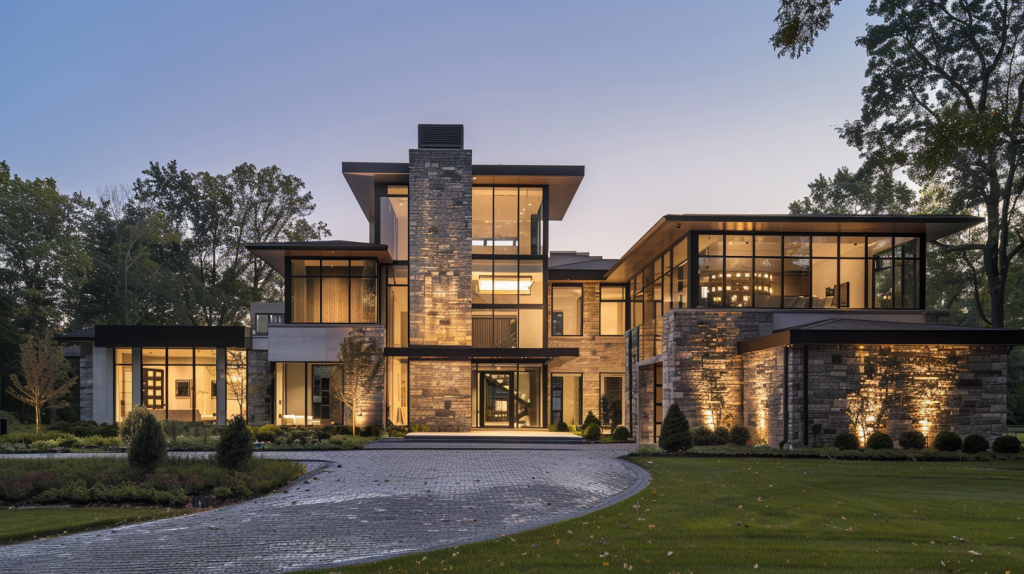
Before buyers step through the entrance, the exterior presentation has already begun its impression campaign. A manicured lawn, trimmed hedges, and inviting walkways signal pride of ownership. When a visitor arrives, a fresh front facade can set the tone for the entire showing. A real estate expert observes: “If the outside doesn’t look inviting, it’s hard to recover from that initial reaction.” In practical terms, this means things like a freshly painted door, clean windows, and well-maintained landscaping make “all the difference” in those first moments. Even simple touches a power-washed driveway, a few potted plants on the porch, or a tasteful seasonal wreath draw the eye and create a subtle promise of care inside. In historic Princeton neighborhoods, where many properties have stately colonial or Victorian facades, context-appropriate landscaping is key: large leafy trees and period-appropriate plantings can highlight a home’s architectural details and feel authentic to the neighborhood. In any case, this “instant curb appeal” conveys that the home has been cherished. As one staging specialist puts it, fresh landscaping and a tidy entryway “immediately convey pride of ownership,” making the property feel well-cared-for and inviting.
ENTRANCE DESIGN AND AMBIENCE
The entryway itself the foyer or front hall – is the literal gateway to buyers’ emotions. The moment the door swings open, buyers begin subconsciously collecting signals. Designers warn against empty or overly cluttered entrances. A bare, institutional foyer can feel cold, while a hallway stacked with personal knickknacks or shoes can feel cramped. Instead, effective staging uses the entry as a frame: perhaps a console table with a simple floral arrangement, a mirror, and a warm rug to suggest a defined purpose. One expert notes that a styled vignette (for example, a console table topped with a vase and mirror) “can draw people in and give them something to connect with,” hinting at how the space flows inward. The color and condition of the front door are also scrutinized; a freshly painted door in a tasteful hue reinforces that the sellers have maintained the home, whereas chipped paint or dated hardware can raise doubts. Overall, in those first 60 seconds inside the entry, buyers are searching for a sense of order, style, and warmth that promises a comfortable life beyond the threshold.
LIGHTING, SPACE AND FLOW
The way light and space are presented is critical the instant one crosses the entry. Bright, natural light instantly makes interiors feel larger and more welcoming. In fact, seasoned agents say that a bright, airy room with plenty of sunlight “feels clear, open, and positive,” while dark or shadowy rooms give the opposite impression. Buyers will often check whether curtains and blinds are open and if lights are on – a poorly lit interior can make otherwise attractive features disappear. In practical terms, homes that are free of burnt-out bulbs, with curtains drawn and well-placed lamps, tend to hold a buyer’s attention longer. Spatial flow also matters. Modern Princeton buyers, even in older homes, often expect a certain ease of movement: clear sightlines from room to room, wide paths for furniture placement, and a layout that feels intuitive. Rooms that are crammed with too much furniture or oddly arranged create a subconscious sense of confusion. Conversely, a deliberate open layout or the illusion of extra space (through mirrored walls or by removing excess pieces) lets visitors mentally place their own belongings. As one home-staging guide summarizes, buyers instantly gauge “flow and balance”, noting that strategic furniture arrangements should highlight each area’s purpose rather than block it. In Princeton’s luxury homes, where volumes can be generous, staging often leans on high ceilings, visible beams, or grand windows to accentuate space – but only if these elements are highlighted by light and a clear, uncluttered layout.
AROMA AND ATMOSPHERE
Humans are remarkably sensitive to smell, and buyers are no exception. Many agents insist that “the very first thing buyers notice when they walk into a house is the smell” – long before they consciously register the decor or the price. An overwhelming odor (pet smells, cigarette smoke, dampness, or heavy air freshener) can rapidly undermine weeks of work. In Princeton – a town of leafy streets and old trees – buyers appreciate a fresh, clean scent. Subtle aromas that evoke comfort (freshly baked cookies, brewed coffee, linen spray or light vanilla or cinnamon) are universally appealing. As one designer bluntly puts it, “Scent is subconscious, but people remember it”. By contrast, even mildly unpleasant odors (musty basements, chemical cleaners, spoiled food) register instantly as negatives. The goal is to let the home smell like exactly what it is: a maintained, lived-in home. Simple tactics like airing out the house before a showing, using beeswax or soy-based candles, or strategically brewing coffee in the morning help. In short, a buyer’s nasal impression should reinforce the idea of a welcoming, clean space – never distract from it. Princeton buyers – often well-traveled and accustomed to urban living – expect a home to feelfresh, as much as they expect it to look so.
INTERIOR STAGING AND VISUAL STORYTELLING
Once buyers move into the main living areas, interior staging tells the emotional story of the home. High-quality staging makes each room look purposeful and aspirational yet not overly personalized. Walls painted in neutral tones, well-placed art, and tastefully chosen furniture all work to let visitors picture their own lives in the space. One common advice from listing professionals is to get rid of clutter: personal photos, knickknacks, and excessive ornaments can distract. Indeed, the biggest visual mistake is often simply too many small personal items. With these cleared away, the eye can focus on the home’s assets – like a sunny bay window, elegant crown molding, or a sleek fireplace. Staging often involves creating a clear focal point in each room, whether that’s a statement chandelier, a dramatic piece of art, or a distinctive sofa arrangementr. For example, in a living room, furniture might be angled toward a beautiful mantel, or in a dining room, the table might be set as if for a welcoming meal. These vignettes set a mood – they whisper “imagine family gatherings here” or “picture evening dinners under this light.” In Princeton’s higher-end market especially, buyers expect this level of polish. An elegantly staged interior not only photographs better for marketing, but it also allows buyers to emotionally connect on sight. As one industry observer notes, a little staging magic can help buyers “shop with their eyes first,” turning features like gleaming hardwood floors or custom millwork into personal selling points. In short, staging transforms a bare house into a potential home in the buyer’s mind.
PRINCETON LUXURY AND LEGACY: MARKET-SPECIFIC EXPECTATIONS
Buyers in Princeton bring their own set of expectations shaped by the town’s character. Many newcomers are academics, executives, or professionals who commute to New York or Philadelphia; they often treat a home as both a family sanctuary and a reflection of success. In this luxury segment, finishes like updated chef’s kitchens, marble bathrooms, and integrated smart-home technology are quickly becoming table stakes. Modern conveniences such as energy-efficient appliances or solar panels are not unusual to see on a wish list, even in an historic home. Outdoor living space is another high priority: spacious decks, patios, or beautifully landscaped yards that extend the home’s usable area are a major draw. Thus, if a Princeton buyer glimpses a home with a wrap-around porch or a patio overlooking gardens, it registers positively in that first minute.
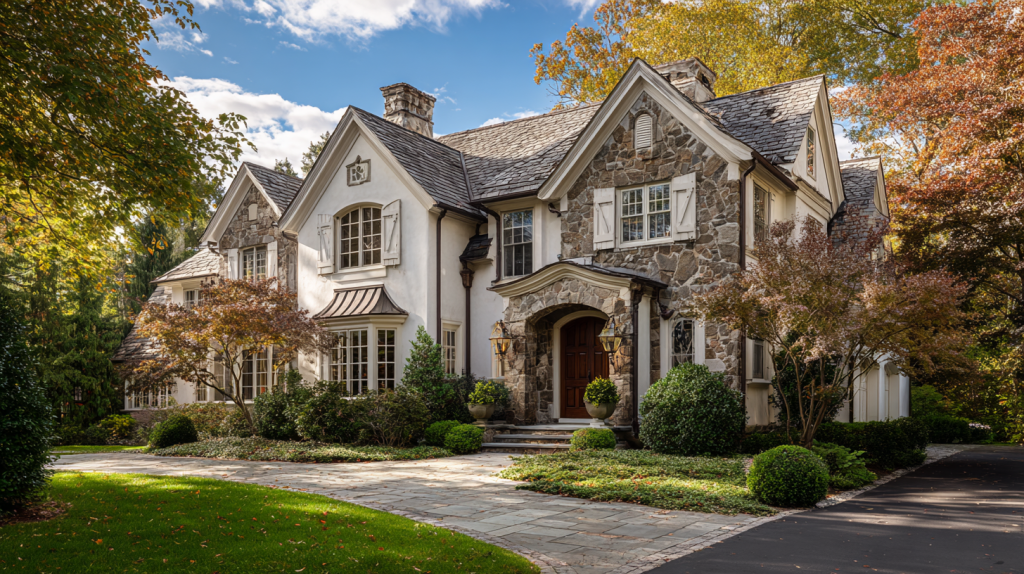
On the other hand, many Princeton residences are cherished for their history and character. Buyers in older neighborhoods appreciate original details like wide-plank wood floors, antique moldings, and built-in bookcases. In fact, research confirms that well-maintained historic homes in sought-after towns often “tend to retain their value or increase in value”. When such homes appear on the market, they can sell surprisingly quickly and often at premium prices, because buyers love the authentic craftsmanship that would be costly to replicate. For these buyers, the first impression hinges on feeling the home’s legacy: period-appropriate lighting fixtures, visible brickwork, or an old-world entryway set the right mood. Yet they also expect modern touches (upgraded mechanicals, renovated kitchens) to ensure livability. The most successful presentations in Princeton’s historic segment balance these aspects: for example, staging might highlight a grand staircase or original fireplace while ensuring the kitchen looks new and gourmet. Either way, Princeton buyers notice whether a home marries its heritage with today’s comforts. In a market where “properties that offer a combination of modern conveniences and outdoor spaces are particularly desirable,” the first impression must suggest the best of both worlds.
| FIRST IMPRESSION FACTORS | Perceived Impact on Buyer Interest |
|---|---|
| Landscaping & Curb Appeal | Very High. A lush, maintained front yard and tidy exterior instantly set a positive tone. |
| Front Door & Entryway | Very High. An attractive entrance (fresh paint, stylish door) suggests care and gives welcome. |
| Natural & Artificial Lighting | Very High. Bright, warm light (open shades, working bulbs) makes spaces feel large and inviting. |
| Clutter vs. Cleanliness | Very High. Clear, tidy rooms allow buyers to focus; clutter or mess creates immediate distrust. |
| Home Scent (Aroma) | High. A pleasant, neutral scent (baked goods, fresh linen) comforts visitors; musty or sharp odors deter. |
| Interior Staging/Decor | High. Tasteful, neutral decor and defined focal points help buyers envision life there. |
| Spatial Layout & Flow | High. An open, intuitive floorplan lets buyers imagine moving through the home; awkward layouts frustrate. |
| Architectural & Design Details | Medium-High. Quality details (hardwood floors, moldings) add charm; outdated features can raise red flags. |
THE FEEL OF HOME
Every element above contributes to one overarching goal: making the house feel like a welcoming home from the very first moment. In Princeton’s competitive market, buyers subconsciously tally these cues and form an opinion long before negotiating. A positive first minute can literally speed up the process: buyers will linger, smile, and mentally furnish rooms. A negative one can end the tour quickly. But beyond the sale, first impressions in Princeton carry a subtle promise about life in the community – the tranquility, the aesthetic standards, and the pride of this historic town.