
New Jersey’s housing landscape spans centuries of styles, reflecting its rich history and varied communities. From seaside Victorian cottages to sleek urban lofts, the state offers “a rich and diverse architectural history”. Buyers and investors can choose among classic designs and cutting-edge projects. This guide explores the Colony State’s home styles – who lives in them and where they’re found – to help families, first-time buyers, and investors navigate the New Jersey market.
TIMELESS ELEGANCE: THE ALLURE OF COLONIAL HOMES
Colonial-style houses (and their Revival cousins) remain ubiquitous in New Jersey’s historic towns and suburbs. These traditional homes are typically two- or three-story rectangular houses with symmetrical facades, central front doors, and shuttered windows. Inside, they often have separate rooms (not an open floorplan) and relatively low ceilings – layouts that early colonists favored for winter warmth. Modern Colonials often update these layouts with new kitchens or sunrooms, but they retain the classic look: balanced windows and doors, clapboard or brick exteriors, and sometimes decorative columns.
Colonials offer families spacious living (often 3+ bedrooms upstairs), formal dining areas, and yards. Their solid construction and timeless appeal give them long-term value. Pros: ample space and character, appealing historic style, and stability. Cons: older systems (HVAC, plumbing) may need updating, and large homes command higher prices. In much of suburban NJ, median Colonial prices range from the high $400Ks up through seven figures in affluent towns. Most Colonials are owner-occupied, prized by established families. Some have been split into multi-unit rentals by investors (especially near universities or city centers), but this is less common than with townhomes or apartments.

LIVING HISTORY: VICTORIAN CHARM AND TIMELESS NJ TREASURES
Victorian-era houses add unique charm to New Jersey’s coastal and older urban communities. A walk down Cape May’s streets or Spring Lake’s avenues feels like a storybook, thanks to steeply pitched gables and ornate detailing. Preservation commissions in towns like Cape May and Princeton zealously protect such buildings, ensuring renovators keep historic features intact.
Victorians are found beyond the Shore: in Montclair (Essex County), Lambertville (Hunterdon), and parts of Hudson and Bergen counties. Pros: architectural beauty, high ceilings, often large lots. Cons: maintenance-intensive (painting wood trim, repairing antique elements), possible historic-district restrictions. Investors sometimes convert Victorians into inns or B&Bs in resort towns, but generally these homes are owner-occupied due to their heritage status.
TIMELESS MODERN: WHERE CLASSIC 50S STYLE LIVES ON
The postwar era left a legacy of Mid-Century homes across New Jersey’s suburbs. Two popular forms are ranches and split-level/bi-levels. Ranch-style houses are typically single-story, wide and low-slung, with open living areas that flow into kitchens and large picture windows bringing in light. They were designed for casual family life and often sit on slab foundations. Ranches can feel more spacious inside than their footprint suggests, since everything is on one level.
Today, these mid-century homes are often updated: walls knocked down for an open floorplan or kitchens remodeled with contemporary finishes. Pros: modest lots, open layouts, and affordability for first-time buyers. Cons: they may require modernization (old wiring, lack of insulation) and can lack the street presence of bigger houses. Families who want one-level living or “retro-chic” renovators often favor these homes. Some investors have purchased ranches to flip or to use as rentals, but many ranches remain owner-occupied, while split-levels can appeal to buyers seeking more bedrooms.

THE NEW FACE OF HOME: CONTEMPORARY LIVING IN NJ
New Jersey’s contemporary designs focus on sustainability, clean lines, and light. Modern homes (often new construction) feature flat or low-pitched roofs, large expanses of glass, mixed materials, and spacious, open interiors. For example, modern designs may combine stone, wood, and glass in the façade, blurring indoor/outdoor boundaries with oversized windows or sliding doors. The influence of mid-century modern is clear (minimal ornamentation, geometric forms), but today’s “modern” houses also highlight eco-friendly materials. Current remodeling trends in NJ emphasize reclaimed wood, recycled glass, and other sustainable elements.
Open-concept living is now standard: homeowners routinely remove walls so the kitchen, dining, and living areas flow together. In regions like Hudson County or urban infill areas, sleek contemporary condos and townhomes are rising. In the suburbs, larger custom modern homes incorporate solar panels, geothermal heating, and high-efficiency systems. Pros: energy efficiency, modern amenities, and often easy maintenance. Cons: higher upfront costs and sometimes a style that may not match older neighborhood aesthetics. These homes attract buyers who want the latest features or green credentials; some investors also buy modern condos to rent to professionals seeking convenience and tech.
SMART LIVING: CONDOS, TOWNHOMES & MULTIFAMILY OPTIONS ACROSS NJ
Urban living in New Jersey often means condominiums, townhouses, or multi-family buildings. Cities like Hoboken, Jersey City, Newark and suburbs like Montclair have dense housing stocks. Hoboken’s skyline, for example, is dotted with modern high-rise condo towers overlooking Manhattan Meanwhile, its downtown also features brick rowhouses and converted brownstones.
For investors, apartments and condos in transit hubs (e.g. near PATH trains or NJ Transit) are prized for rental income, while owners enjoy the convenience of urban or townhouse community lifestyles.
NEW CONSTRUCTION & PLANNED COMMUNITIES
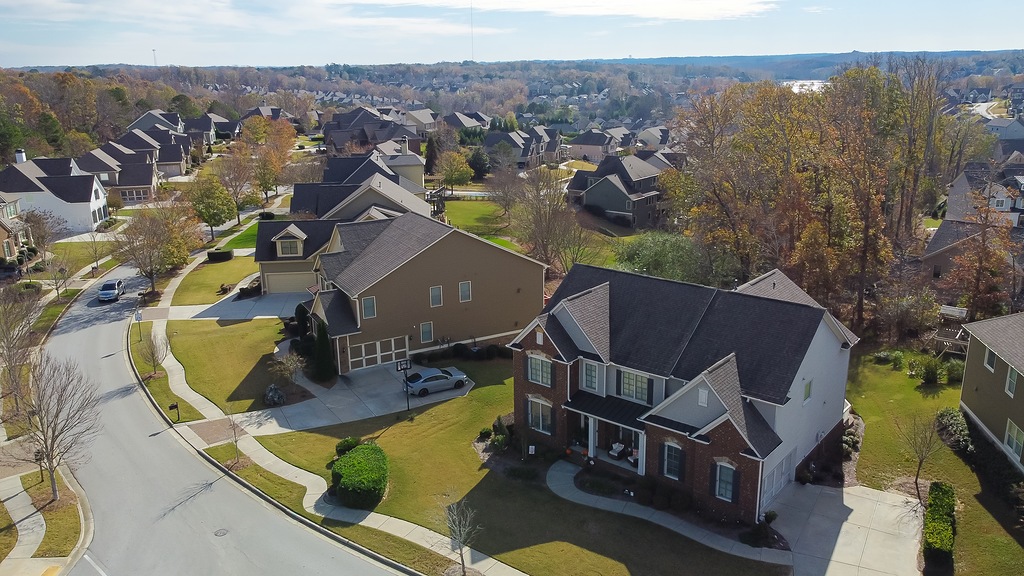
New Jersey’s developers continue rolling out master-planned communities and infill projects to meet demand. These new developments typically feature coordinated architecture (colonial-inspired singles, craftsman townhomes, or modern villas), walking paths, and communal facilities like pools or playgrounds. Because many are built on former farmland or golf courses, they provide modern living with uniform design standards. Pros: brand-new construction, modern floorplans, warranties, and amenities. Cons: can involve homeowners’ association fees and less character than older neighborhoods. First-time buyers and growing families often consider these communities for the included features. Investors also eye such areas (especially near highways or good schools), though competition can be intense; rental demand in these areas tends to be steady but yields may be lower than in city centers.
WHAT STYLE IS RIGHT FOR YOU?
Choosing a home style depends on family size, lifestyle, and investment goals. Consider these general guidelines:
- Large families: Multi-bedroom Colonials or Victorians in suburban districts are ideal. They typically have 3–4+ bedrooms upstairs, yards, and room for kids to spread out. These homes suit families wanting traditional layouts and good local schools (e.g. children’s neighborhoods around Westfield or Princeton).
- First-time buyers / small families: Townhouses, condos, or ranches often fit the budget and maintenance needs. For example, a young couple might prefer a newer townhouse with modern finishes near transit, trading some space for low upkeep. Bungalows or ranches on modest suburban lots can also be appealing – they offer single-level living and backyard without the cost of a large Colonial.
- Empty-nesters/downsizers: Condominiums or 55+ community homes often make sense. Condos provide secure, low-maintenance living with amenities (pools, exercise rooms), which can be ideal for retirees. Age-restricted communities (seen in Monroe Township and Chester, NJ) offer social clubs and no stairs.
- Investors: Duplexes, multifamily houses, and condos near employment centers are key. Urban centers (Hoboken, Jersey City, Newark) with young professionals see strong rental demand. For example, Hoboken’s waterfront condos and Midtown condos in Jersey City command high rents. Townhouses in stable suburban school districts can also lease well to families. On the other hand, specialty homes (like lavish Victorians in Cape May) may be used for short-term rental or converted to inns.
- Lifestyle fit: Active families may want a yard and community amenities (favoring planned suburbs), while professionals may prioritize location and low chores (favoring condos/townhomes). If “green” living is a priority, look for modern builds with eco-features. If character is key, historic districts in Montclair, Cape May, or Princeton will delight.
Each style has trade-offs – e.g., a Colonial’s space vs a condo’s convenience. It helps to list must-haves (schools, transit, yard size) and see which architecture type delivers those.
ARCHITECTURAL TRENDS TO WATCH IN 2025
Looking ahead, New Jersey’s home design is focusing on sustainability, smart tech, and flexibility. Homeowners and builders are increasingly choosing eco-friendly materials: reclaimed wood, recycled glass, and low-VOC finishes are popular. Solar energy is being retrofitted even to older buildings – for example, a 336-unit Jersey City complex recently installed 450 rooftop panels, offsetting 13% of its emissions. Expect more homes to add solar, Tesla Powerwalls, or geothermal systems to lower bills and carbon footprints.
Open-concept layouts will remain the norm. Removing walls between kitchen, dining, and living areas (ideal for family interaction and hosting) is a clear trend. Flex-spaces are in vogue too: home offices that double as guest rooms, or bonus rooms with built-in storage/workspace. Technology integration will grow: smart thermostats, lighting, and security systems are almost standard in new and remodeled homes. Wellness design – like home gyms, spa-like baths, and outdoor living areas – has momentum post-pandemic.
In 2025 trends in New Jersey favor sustainable designs, open/versatile interiors, and high-tech conveniences. Buyers can look for homes built with green certifications or trending layouts. Investors should note that eco-features and modern amenities (EV chargers, fiber internet) can command higher rents. By pairing classic NJ architecture with these cutting-edge ideas, the Garden State’s housing stock will continue to evolve while still offering something for every buyer.
| Style | Price Range | Typical Locations | Pros | Cons | Suitability (Owner/Investor) |
|---|---|---|---|---|---|
| Colonial | $500K–$1.5M+ (suburbs) | Historic suburbs (Westfield, Cranford, Princeton, etc.) | Spacious (3–4+ beds), yard, classic look | Older systems, higher taxes, maintenance | Families (traditional layout); few investors |
| Victorian / Queen Anne | $500K–$2M+ | Historic towns (Cape May, Montclair, Princeton) | Unique charm, character, high ceilings | Maintenance-heavy, historic restrictions | Homeowners (heritage lovers); B&B investors |
| Mid-Century Ranch / Split | $300K–$800K | Postwar suburbs (Middlesex, Bergen, Sussex) | Affordable, open-plan, one-level living | Smaller lots, may need updates | Small families, renovators; some landlords |
| Contemporary / Modern | $700K–$2M | New developments (Hoboken, suburban estates) | Energy-efficient, smart features, aesthetic | High cost, may not match neighborhood character | Tech-savvy owners; urban investors |
| Townhouse / Condo | $300K–$600K+ | Transit towns & cities (Hoboken, Newark, college towns) | Low maintenance, amenities (gym, pool) | HOA fees, limited outdoor space | First-time buyers, downsizers; strong rentals |
| New Construction | $400K–$1M+ | Suburban masterplans (Whippany, Monroe, Woodbridge) | Brand-new, customizable, warranties | HOA, less mature landscaping | Buyers wanting new amenities; community investors |
A LEGACY OF STYLE, A FUTURE OF POSSIBILITY
By understanding the regional flavors and market trends – and by matching them to your family or investment goals – you can find the right neighborhood and design. Embrace New Jersey’s diversity: there’s a perfect home out there for every preference and budget, from Colonial charm to sleek modern living.
Whether you’re drawn to a historic Colonial, a sleek Modern masterpiece, or a cozy Cape Cod, New Jersey offers a home style to match every vision. Ready to explore your options? For expert guidance and personalized support, reach out to Alexander Proskurov at (732) 580-2120 or email alexpr@newjerseyresidence.com.
This is not intended as a solicitation if your property is already listed with another brokerage.
