
Choosing between a condo and a single-family house in New Jersey can seem daunting. Both options let you build equity and have a home of your own, but they come with very different lifestyles and responsibilities. In 2025, the average condo in New Jersey sells for around $400,000, which is generally less than the cost of a comparable single-family home. Beyond price, key factors to weigh include location and lifestyle, maintenance and community rules, and ongoing costs. This guide breaks down the differences in a friendly, easy-to-read way to help you decide which option fits your needs.
Living Experience: City Energy vs. Suburban Calm
URBAN CONVENIENCE VS. SUBURBAN SPACE
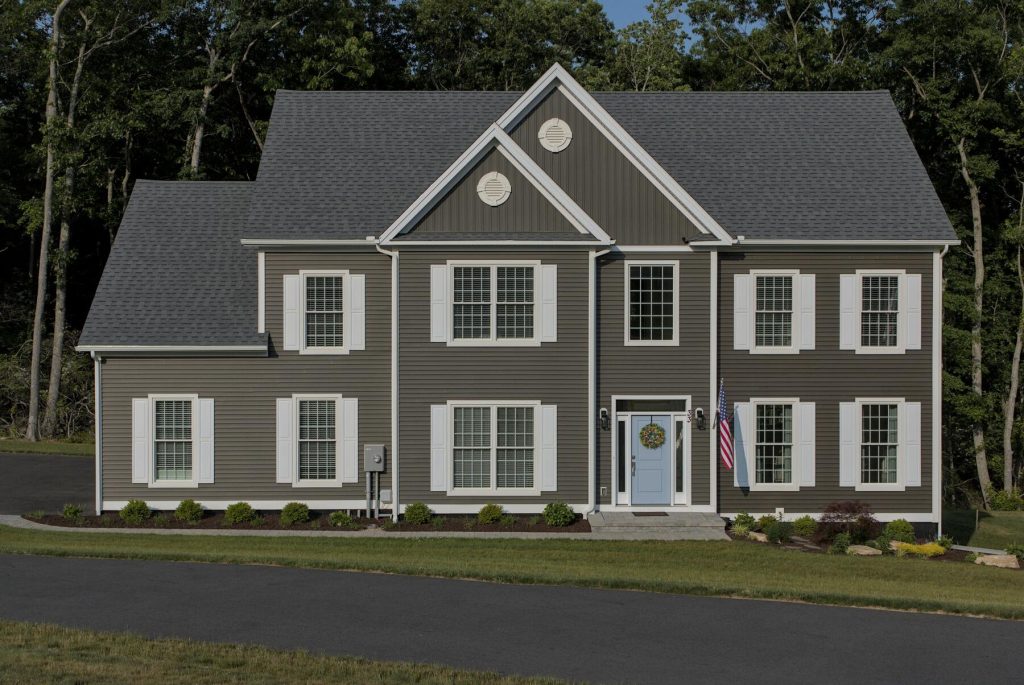
In New Jersey, condos are often found in or near cities and town centers. These locations offer high walkability and easy access to restaurants, shops, parks, and public transit If you value being close to nightlife or transit (for example, in cities like Jersey City, Newark or downtown areas), a condo may fit your style. By contrast, houses typically sit on larger lots in quieter suburbs or rural areas. These neighborhoods often have more space between homes, private yards, and are well-suited for families or anyone seeking extra peace and privacy.
SHARED AMENITIES VS. PRIVATE OWNERSHIP
Many modern condo buildings include shared amenities that can simplify life. For example, you might have access to a gym, swimming pool, lounge, or 24/7 building security – features maintained by the condo association. This means you can enjoy perks (like a pool or fitness center) without the hassle of owning them. In a single-family house, you’d have to add and maintain any amenities yourself – say, installing a private pool or gym equipment on your property. On the other hand, living in a house means you own all the space (indoors and out) and can use it however you like – paint the exterior any color, plant a garden, or build an addition without needing approval from a homeowners’ association.
COMMUNITY AND PRIVACY
Condo living often feels more community-oriented. Neighbors live close by (often sharing walls or hallways), and social spaces like common lounges encourage interaction. However, this also means less privacy: you might hear neighbors through walls or share parking structures and hallways. Condos also come with community rules set by the HOA – for instance, restrictions on pets, noise, and holiday decorations Houses generally offer more privacy and freedom. You won’t share walls (so you won’t hear upstairs footsteps) and you can usually make exterior changes or have pets without needing permission, as long as local municipal regulations allow it.

HOMEOWNER RESPONSIBILITIES AND COSTS
MAINTENANCE AND REPAIRS
One of the biggest differences is who takes care of what. With a condo, the homeowners association (HOA) handles exterior maintenance. This means the HOA pays for and arranges work on roofs, building siding, landscaping of common areas, snow removal, and similar tasks. As a condo owner, you’re responsible only for maintaining the inside of your unit (plumbing, electrical fixtures, appliances, HVAC inside your walls). The trade-off is that you pay monthly HOA fees to cover these services. In a single-family house, all maintenance falls to you (or your contractor). You must mow the lawn, shovel snow, clean gutters, fix the roof, and so on. This requires more time, effort, and sometimes a larger budget for unexpected repairs, but you don’t pay HOA dues for those services.
HOA FEES VS. NO FEES
Condos carry Homeowners Association (HOA) fees. These fees cover shared services and amenities – for example, building insurance, landscaping, and maintenance of hallways and amenities. In New Jersey, HOA fees vary widely depending on the building and amenities, but they are an important monthly cost to budget for. Houses usually have no HOA fee (unless they are in a planned community with an HOA, which is less common) – however, any maintenance or utilities (like trash pickup or water) must be paid for individually. Sometimes a condo’s HOA fee will even include things like water, garbage, or high-speed internet for the building, which means fewer separate bills than a house would have. It’s wise to compare: a modest HOA fee might actually cover some services you’d pay for yourself in a house, but if the fee covers many amenities you don’t use, you’ll end up paying for extras.
PURCHASE PRICE AND HOME EQUITY
Generally, condos are more affordable to buy than houses. NerdWallet notes that condos are often priced lower than single-family homes. This makes condos a popular entry point for first-time buyers or those on a tighter budget. However, houses usually offer more living space (both indoor and outdoor) for a higher price. In many New Jersey towns, a house with even a small yard can cost substantially more than a condo. Keep in mind the long-term: houses tend to appreciate (gain value) steadily over time, which can build equity, whereas condos can appreciate too but sometimes at a slower pace. But market trends vary by neighborhood and type, so local market advice is key.
INSURANCE AND TAXES
Condo insurance is typically cheaper than homeowner’s insurance because it usually covers only the interior of your unit and personal property; the HOA’s master insurance covers the structure. Property taxes in New Jersey apply to both condos and houses, but since we are focusing on lifestyle and costs other than taxes, we won’t detail them here. Just remember that in a general sense, taxes are based on the value of the property — and houses with larger lots often have higher tax bills than a smaller condo, all else equal. Always check real tax figures for any specific property, but don’t let tax differences overshadow lifestyle fit in your decision-making.
HERE’S A QUICK SIDE-BY-SIDE BREAKDOWN OF KEY DIFFERENCES:
- Cost & Upfront Price: Condos usually cost less to buy upfront, but you pay a monthly HOA fee. Houses generally cost more initially, but avoid HOA dues.
- Maintenance: In a condo, the HOA handles most exterior upkeep (roof, lawn, common areas). You’re only responsible for interior repairs. In a house, you handle all maintenance and repairs yourself.
- Amenities: Many condos include amenities (gyms, pools, security) built into the HOA fees. A house owner can add such features, but must manage and pay for them directly.
- Rules & Privacy: Condos come with HOA rules (e.g. pet policies, noise rules) and shared walls (so less personal space). Houses usually allow more freedom for personal choices and offer greater privacy.
- Location & Lifestyle: Condos tend to be in walkable, urban areas with easy access to shops and transit. Houses are often found in suburban or rural areas with larger yards – good for gardening, kids, or quiet living.
COMMUNITY LIVING: ACCESS AND CONNECTION
Condo communities often provide conveniences that would be hard to duplicate alone. For instance, shared amenities like a fitness center, pool, rooftop deck, or 24/7 concierge can be very appealing. These features come with your HOA fees, so you pay a portion of their upkeep. If you want to use a gym or enjoy a pool, this can be a great deal. With a single-family house, any similar amenity is your own responsibility – you’d install and maintain it yourself (imagine cleaning and repairing your personal pool year-round).
Living in a condo also often means being part of a close-knit community. You’ll see your neighbors in hallways or at community events, and you might share facilities like parking lots and laundry rooms. This can be a positive if you like socializing and having neighbors around. It does mean, however, that you need to coordinate with others – for example, storing a bike in a hallway usually requires an HOA rule, and loud parties could disturb neighbors.
By contrast, living in a house is more independent. You set your own schedule and rules (within local ordinances). If you like gardening, having pets freely, or DIY projects, a house usually allows that without asking permission. But remember, that independence comes with more chores. Every upgrade or repair – planting trees, installing a sprinkler system, building a deck – is on you.

TIME TO CHOOSE—CONDO OR HOUSE?
Ultimately, there is no one-size-fits-all answer. The best choice depends on your personal situation and priorities. As one expert notes, deciding on a condo vs. a house “isn’t about which is better, it’s about what fits”. Here are some questions to consider:
- Budget: Can you afford a higher monthly mortgage and maintenance for a house, or is a lower-cost condo with HOA fees a better match for your finances?
- Lifestyle: Do you value convenience and amenities (favoring a condo), or do you want space to yourself and a yard (favoring a house)?
- Time and Energy: How much time do you want to spend on upkeep? If you’d rather spend weekends away from lawnmowers and snow shovels, a condo’s hands-off maintenance might appeal to you.
- Future Plans: Are you planning a family or pets? Do you plan to stay long-term and maybe customize your home? A house offers more room to grow. If you plan to travel often or downsize, a condo’s lock-and-leave convenience may be attractive.
- Community Rules: Are you comfortable with an HOA setting rules for your home? Read any association rules carefully. If you strongly want freedom (for pets, renovations, rentals, etc.), a house might be safer.
- Location Preference: Do you want to be in the city or the suburbs? Think about commute times, school districts (if relevant), and whether you prefer urban or suburban living.
It helps to walk through example scenarios or to talk with people who own each type. Sometimes making a list of “must-haves” (like needing a backyard or wanting a gym) and “deal-breakers” (like no lawn care or no HOA restrictions) can clarify your choice. Also, consider talking to a local real estate agent who understands the New Jersey market; they can offer insights on how much house or condo you can get for your budget, and what buyers like you in your area have chosen.
KEY TAKEAWAYS FOR NEW JERSEY BUYERS IN 2025:
- Condos in NJ usually mean lower purchase price and less outdoor maintenance, plus shared amenities – but you’ll pay HOA fees and live by community rules. They’re often in city settings, close to transit and shops.
- Houses cost more upfront and require you to do all the upkeep (yard, repairs, etc.), but they give you full privacy, autonomy, and usually more space. They’re common in suburbs and rural areas.
- Lifestyle Fit: Think about your day-to-day priorities. If you crave easy weekends and love building amenities, a condo could be ideal. If you want room to roam, garden, or expand your home, a house may be better.
- Budgeting: Always factor in all costs. Condo owners pay HOA fees (that often cover some utilities and upkeep); house owners pay for lawn care, snow removal, and home repairs out of pocket. Use one reference price (the ~$400K average condo price) as context, but remember actual prices vary widely in NJ.

THE RIGHT FIT: CONDO OR HOUSE?
By carefully weighing lifestyle, responsibilities, and long-term costs, you’re already on the path to making a confident and informed decision. Whether you’re drawn to the simplicity and shared perks of a condo or the space and independence of a single-family home, New Jersey offers a wide range of housing options in 2025.
From stylish condos in Hoboken to spacious homes in Ocean County, there’s truly something for everyone—young professionals, growing families, downsizers, and everyone in between. The best approach? Focus on what fits your lifebest. Think about how you want to live day to day, how much maintenance you’re comfortable with, and what kind of community you want to call home.
| Category | Condo | House |
|---|---|---|
| Lifestyle | Urban, walkable areas with shared amenities | More suburban or rural, private outdoor space |
| Upfront Cost | Typically lower purchase price | Higher initial cost, but more space and autonomy |
| Maintenance | HOA handles exterior & shared spaces | Homeowner responsible for all upkeep |
| Amenities | Often includes gym, pool, community rooms | Depends on what the owner adds or maintains |
| Privacy | Less privacy due to shared walls/common areas | Full privacy, no shared walls or communal spaces |
| HOA Rules | Required HOA with rules and monthly fees | Optional HOA, more personal freedom |
| Ideal For | First-time buyers, busy professionals, downsizers | Families, long-term residents, those wanting full control |
NEED LOCAL GUIDANCE? LET’S TALK.
Thinking about buying a home in New Jersey? Whether you’re still comparing condos and houses or ready to tour listings, you don’t have to navigate the process alone.
For personalized advice and expert local insights, contact Alexander Proskurov at (732) 580-2120 or email alexpr@newjerseyresidence.com.
This is not intended as a solicitation if your property is already listed with another brokerage.
