Homeowners associations (HOAs) are a common feature of many New Jersey communities and can significantly shape a homeowner’s experience. An HOA is typically a governing body within a neighborhood or building that establishes rules and manages shared amenities and services for residents. If you’re buying a home in the Garden State – whether a condo in a city high-rise or a house in a planned suburb – there’s a good chance an HOA may be involved. In fact, nearly 1.46 million New Jersey residents live in homes that are part of almost 7,000 community associations. New Jersey is also the most densely populated state in the U.S., with over 1,200 residents per square mile. This high density, combined with the prevalence of condos, townhouses, and planned developments, makes HOAs especially relevant in New Jersey’s housing landscape. They help maintain order and property values in tight-knit communities, and collectively NJ HOAs spend billions each year on services that keep neighborhoods running smoothly.
WHAT IS AN HOA?
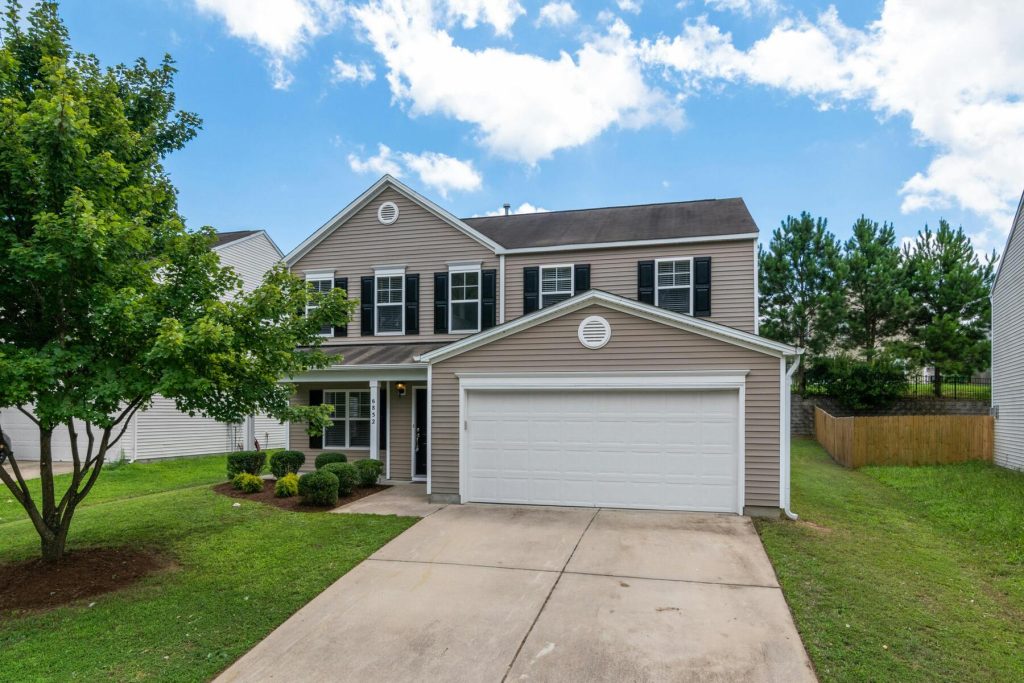
A homeowners association (HOA) is essentially a private organization that governs a residential community. When a developer builds a subdivision, condominium, or other planned development, they often establish an HOA and then transfer control to the homeowners once the community is sold out. The HOA is run by a board of volunteer homeowners who are elected by the residents. This board makes and enforces rules for the community’s properties and residents, manages the shared spaces, and oversees maintenance – all with the goal of preserving and even enhancing property values. In other words, the HOA acts as a mini-government for the neighborhood, setting community standards and handling common responsibilities.
If you purchase a home within an HOA’s jurisdiction, you automatically become a member of that HOA and must abide by its rules and regulations. You’ll also be required to pay regular HOA dues (monthly, quarterly, or annually) as part of living in the community. In return, you gain access to whatever shared amenities and services the HOA provides, and you benefit from the collective upkeep of the community. HOAs are especially common in New Jersey in certain types of housing: most condominium buildings have an association (often called a condo association, which functions similarly to an HOA), and many single-family home subdivisions – particularly master-planned or gated neighborhoods – have HOAs. Townhouse complexes and active adult (55+) communities are also typically governed by HOAs or similar associations. While the specific structures can differ (for example, condos and co-ops have some different legal arrangements), the core concept is the same: a group that sets rules and maintains common property on behalf of all residents.
HOA rules and responsibilities: The scope of what an HOA governs can be broad. HOAs usually enforce Covenants, Conditions, and Restrictions (CC&Rs) – a set of rules that might regulate things like house exteriors (paint colors, fencing, landscaping), parking and vehicle restrictions, pet policies, noise levels, and other aspects of community living. The purpose of these rules is to keep the neighborhood looking uniform and well-kept, thereby protecting everyone’s property values. At the same time, HOAs manage common areas and shared facilities, which could include parks, playgrounds, lobbies and hallways in a condo, swimming pools, fitness centers, and more. The association takes care of services like landscaping of common grounds, snow removal on community roads or walkways, trash collection arrangements, security at the gate – essentially, services that benefit all residents collectively. The HOA’s governing board also handles the community’s finances: they set an annual budget, collect dues, and pay for expenses such as maintenance contracts, insurance, and utilities for common areas. They may hire a professional property management company to assist, especially in larger communities, or self-manage in smaller ones. Importantly, the HOA board and members do not profit from HOA fees – those funds are purely used to run the community, and board members have to pay the fees just like everyone else.
WHY ARE HOAS IMPORTANT IN NEW JERSEY?
New Jersey’s housing environment makes HOAs particularly significant. As noted, NJ is the most densely populated state in the nation. In such a high-density setting, many homes are situated in close proximity – whether in suburban subdivisions or urban condo buildings – and having an association to maintain shared spaces and enforce communal standards can greatly enhance livability. HOAs help ensure that one neighbor’s neglect (for example, a trash-filled yard or a poorly maintained exterior) doesn’t adversely affect the entire block. They create a structure for keeping neighborhoods orderly and attractive, which is a key reason many NJ homeowners view HOAs positively. Surveys have found that a large majority of residents in community associations believe the HOA rules protect or have a neutral effect on their property values. In New Jersey specifically, the median home value is around $563,670, and homes in HOA communities tend to be valued at least a few percent higher than similar homes outside HOAs– partly because HOAs require owners to uphold certain standards and often provide amenities that add value.
Another reason HOAs are so relevant in New Jersey is the state’s prevalence of planned developments and multifamily housing. From the townhouses of Bergen County to the beach condos at the Jersey Shore, many New Jersey homebuyers will encounter HOAs. New construction trends also play a role. Nationally, roughly 80% of newly built single-family homes in subdivisions are now part of an HOA, and New Jersey follows this trend. If you’re buying a newly built home (especially in the suburbs or exurbs), there’s a high chance it’s in an HOA community. This has become the norm for managing new neighborhoods – HOAs maintain roads, open spaces, and stormwater basins in these developments (duties that would otherwise fall to local governments). In fact, NJ community associations collectively spend about $2.5 billion each year on maintenance and services that would otherwise strain municipal resources. For densely populated towns, having HOAs handle these responsibilities can be a relief to taxpayers, and it ensures the community gets a tailored level of care (e.g., more frequent trash pickups, well-maintained landscaping, prompt snow plowing within the community).
HOAs are also important for the amenities and lifestyle options they enable. In New Jersey’s competitive real estate market, developers often include desirable amenities – like clubhouses, pools, walking trails, or even on-site gyms – to attract buyers. An HOA is then essential to manage and fund these features. For example, active adult (55+) communities, which are popular in parts of New Jersey, usually have robust HOAs that not only maintain the physical amenities (clubhouse, golf course, etc.) but also organize activities and services for residents. Similarly, many upscale condo buildings along the Hudson River or in cities like Jersey City and Hoboken have condo associations that provide luxury services (concierge, package handling, private parking garages) – all coordinated via the HOA/condo board. In short, HOAs matter in NJ because they fill the governance and maintenance role needed for a variety of community types, from high-rises to sprawling suburban complexes. They help keep communities cohesive in a state where land is at a premium and neighbors live close together.
Of course, HOAs aren’t universally loved – some people bristle at the rules or the extra fees. But understanding their purpose in New Jersey’s context is crucial. In a densely populated and diverse housing market, HOAs provide a framework to maintain quality of life, protect home values, and even foster a sense of community among neighbors. For a homebuyer, being aware of an HOA’s role and reputation in a given area is as important as checking property taxes or school districts.

HOW DO HOA FEES WORK?
When you own a home in an HOA community, you’ll pay HOA fees (dues) on a regular schedule, and it’s important to know how these fees are determined. In essence, HOA fees are calculated based on the association’s annual budget and the expenses required to run the community. Each year, the HOA board (often with the help of a property manager or finance committee) will outline all the expected costs of maintaining the common property and services – things like landscaping contracts, snow removal, amenity upkeep, insurance premiums, management fees, utilities for common areas, and contributions to reserve funds for future repairs. The total budgeted expenses are then divided among the homeowners in the community. In a condominium, the split might be proportional to each unit’s size or value (per the governing documents), whereas in a single-family subdivision it might be an equal split per lot. The result of this calculation is your HOA fee. Board members do not earn a profit from these fees – they pay the same dues as everyone else, and all funds go toward the community’s needs.
HOA fees can be collected on different schedules depending on the community’s preference and the size of the fee. Many HOAs in New Jersey bill monthly, especially in condo buildings where fees might be substantial. Some smaller associations collect quarterly or annual dues instead. Regardless of frequency, the important thing is that you budget for these fees as part of your homeownership costs (just like you budget for property taxes or insurance). Failing to pay HOA dues can lead to penalties, late fees, or even legal action by the association, including liens on your property– so it’s definitely not a bill to ignore.
Several factors influence how much the HOA fees are for a given community:
- Amenities and Services: The more services the HOA provides and the more amenities it maintains, the higher the fee is likely to be. For example, an HOA that maintains a pool, gym, and staffed security gate will need to collect more money than one that only mows a small common lawn. There is a direct relationship between the scope of HOA responsibilities and the cost to each homeowner. (We’ll discuss typical items covered by fees in the next section.)
- Community Size: The number of homes sharing the costs can impact the fee per household. Larger communities sometimes benefit from economies of scale – if 300 homeowners share the cost of a playground, each pays a relatively small fraction. In a very small HOA with only a few homes, even basic expenses are split among fewer people, so the per-home fee might be higher. On the other hand, a massive condo tower with hundreds of units might have very high total expenses (e.g. expensive elevators or a big staff), but also many people to share the costs. HOA boards have to balance these factors when setting the budget.
- Location and Operating Costs: Local cost-of-living and regional factors play a role. New Jersey’s generally high cost of services (labor, utilities, insurance, etc.) means HOA fees here may lean higher than in some other states. A simple landscaping contract in North Jersey might cost more than the same job in a low-cost state, and those differences show up in the dues. A study by Investopedia noted that in high-cost metropolitan areas like New York City (which includes parts of North Jersey), even basic maintenance and utilities are pricier, contributing to higher average HOA fees. Conversely, an HOA in a more rural or low-cost part of the state might have lower bills for similar services.
- Reserve Funding and Planning: A well-run HOA will set aside a portion of fees into a reserve fund for big future repairs (like replacing roofs, repaving private roads, or major structural work in a condo). If the HOA is building healthy reserves, fees might be a bit higher now but hopefully prevent large surprise bills later. If an HOA hasn’t saved adequately, homeowners might face special assessments – one-time charges on top of regular fees – when a big expense comes up. For instance, if a condominium needs an emergency boiler replacement and reserves are insufficient, the board may levy a special assessment of say $1,000 per unit to cover it. As a homebuyer, it’s wise to check whether the HOA has reserves or recent special assessments, as that speaks to how your fees are determined and whether they might jump in the future.
HOA fees are the mechanism by which all owners collectively fund the operations of their community. Think of it as a cooperative pot: everyone pays in their fair share to ensure the roads are plowed, the grass is cut, the clubhouse roof doesn’t leak, and the community’s bills get paid. In New Jersey, a typical monthly HOA fee might range roughly from $200 to $400 for many communities, but there is wide variability. Some small single-family HOAs charge as little as a few dozen dollars a month (if they only maintain a tiny common area), while luxury condo buildings or extensive lifestyle communities can run into the high hundreds per month. We’ll explore these variations in detail next.
HOW DO HOA FEES VARY IN NEW JERSEY?
One of the most common questions homebuyers ask is: “How much are the HOA fees, and is that high or low for the area?” In New Jersey, HOA fees vary widely depending on the location, type of community, and level of amenities. Below is a table illustrating examples of HOA fee ranges across different NJ community types and regions:
| Community Type | Example NJ Location | Typical Monthly HOA Fee | Features Influencing Cost |
| High-Rise Luxury Condo | Jersey City/Hoboken (North NJ urban) | ~$600 – $1,000+ | Full-service building: 24/7 concierge, gym, pool, elevator maintenance, parking garage. High labor and utility costs in NYC metro area drive fees upi. |
| Townhouse Community | North/Central NJ Suburbs (e.g. Morris or Middlesex County) | ~$150 – $300 | Moderate amenities: landscaping, snow removal, maybe a small clubhouse or playground. Shared walls mean exterior maintenance is covered. More units to share cost keeps fees mid-range. |
| 55+ Active Adult Community | South or Central NJ (e.g. Ocean County) | ~$100 – $250 | Amenities like clubhouse, pool, organized activities, plus lawn care and snow removal included. Larger developments spread costs out, and generally lower cost-of-living area keeps fees reasonable. Many services aimed at hassle-free living for retirees. |
| Single-Family HOA (Planned Subdivision) | Statewide (various new developments) | ~$50 – $150 | Limited common areas (perhaps just entrance signs, small parks, or private roads). Fees cover basics like street lighting, community landscaping, and maybe trash pickup. Homeowners maintain their own houses/yards, so fees stay relatively low. |
(Fee ranges are approximate. “Typical” figures can vary; always verify the current dues for any specific property.)
As the table suggests, the range of HOA fees in New Jersey is quite broad. You might find a small subdivision with a token $50/month fee, and at the other extreme a high-end condo where fees exceed $1,000/month. On average, though, most HOA fees in NJ tend to land in the few-hundred-dollars per month range. One source notes that across the U.S., the average HOA fee is around $200 to $300 per month, and NJ is generally in line with that for communities of moderate scale. However, New Jersey also contains some outliers on both ends.
NAVIGATING YOUR HOA JOURNEY IN NEW JERSEY: THE KEY TO STRESS-FREE HOMEOWNERSHIP
Buying a home in a community with an HOA can greatly enhance your living experience—particularly in a densely populated and diverse state like New Jersey. HOAs are designed to manage shared responsibilities, maintain neighborhood appeal, and uphold community standards that protect property values. Whether it’s meticulously maintained common spaces, convenient amenities, or simply the assurance that certain standards are consistently enforced, the benefits can be substantial.
However, your satisfaction with an HOA-governed community hinges on your initial research and understanding of its rules, financial health, and management style. By thoroughly reviewing these aspects beforehand, you ensure a smooth transition into your new home, free from unexpected surprises or frustrations.
In New Jersey, where HOA fees and rules vary significantly across different communities, knowing exactly what you’re signing up for makes all the difference. Approach your HOA choice as carefully as you do your home selection itself. With this knowledge and proactive mindset, your experience with an HOA in the Garden State can become not just tolerable but truly enjoyable and rewarding, paving the way to stress-free and harmonious homeownership.
For personalized assistance and expert insights, contact Alexander Proskurov at (732) 580-2120 or email alexpr@newjerseyresidence.com.
This is not intended as a solicitation if your property is already listed with another brokerage.