
New Jersey (the Garden State) is an attractive destination for movers seeking a mix of city access, suburban comfort, and diverse communities. Whether you’re coming from across the country or abroad, moving to New Jersey in 2025 involves some important logistics and adjustments. This guide walks you through the essentials – from handling initial paperwork and 30/60/90-day relocation timelines to understanding the cost of living in New Jersey, state taxes, and practical tips for embracing the New Jersey lifestyle.
By covering these key points — including public transportation options, job opportunities, and what to expect from the New Jersey real estate market — you’ll be prepared to confidently start your new life in one of the best places to live in NJ.

GETTING STARTED: INITIAL LOGISTICS FOR NEW NJ RESIDENTS
One of the first steps after moving is taking care of official paperwork and registrations. Here are the initial logistics you should plan for in New Jersey:
File a Change of Address: Set up mail forwarding with the USPS about two weeks before your move to avoid missing any mail. You can do this easily online or at a post office. Also update your address on bank accounts, credit cards, and utilities soon after moving. This ensures bills and important documents reach your new home.
Get a New Jersey Driver’s License: New Jersey requires new residents to transfer their out-of-state driver’s license within 60 days of establishing residency. Make an appointment with the NJ Motor Vehicle Commission (MVC) to get your NJ license, and bring the necessary 6 Points of ID documents (proof of identity, address, etc.). If you have a Real ID from another state or need one, you can opt for a NJ REAL ID license – while it’s not mandatory, after May 7, 2025 you’ll need a Real ID or passport to board domestic flights in the US.
Register Your Vehicle: Along with your license, you must register your out-of-state car in New Jersey within 60 days of your move (or sooner if your current registration expires before then). To register, you’ll first need to obtain NJ auto insurance (state law requires a New Jersey insurance policy for all vehicles registered here). The MVC will issue you NJ license plates and a registration document. Remember to also update your car’s title if you own the vehicle outright, as NJ will require an NJ-issued title.
Register to Vote: If you’re a U.S. citizen, don’t forget to register to vote at your new address. New Jersey offers voter registration online, by mail, or in person (for example, you can often register when getting your driver’s license). There’s no strict deadline to register after moving, but you must register at least 21 days before an election to be eligible to vote in it. It’s a good idea to sign up once you’ve settled your address and ID, so you can participate in local and national elections.
QUICK REFERENCE – NJ RESIDENCY PAPERWORK DEADLINES:
| Task | Deadline for New Residents |
| Driver’s license transfer | Within 60 days of move or before out-of-state license expires. |
| Vehicle registration & title | Within 60 days of move or before out-of-state registration expires. |
| Address change (MVC records) | No fixed deadline (do ASAP online). |
| Voter registration | No fixed deadline (register once resident); must register ≥21 days before Election Day to vote. |
YOUR FIRST 90 DAYS: NEW RESIDENT TIMELINE
Relocating comes with many tasks – here’s a 30-60-90 day timeline to organize your transition into New Jersey residency:
Within 30 Days: Focus on immediate necessities. Secure housing (if not already done) and update your address everywhere it matters. File your USPS change-of-address to start mail forwarding. Set up utilities (electricity, water, internet) in your name. If you have children, research and enroll them in local schools (NJ public schools are highly rated). It’s also wise to begin researching the MVC process for your driver’s license and car registration now – gather your documents and schedule an appointment, since wait times can be a few weeks.
By 60 Days: Complete your MVC obligations within this window. Attend your MVC appointment to get your New Jersey driver’s license and transfer your vehicle registration and title. Bring all required proofs (identity, NJ address, Social Security, etc.) as listed by the MVC. You’ll surrender your old license and receive a NJ license valid for 4 years. Similarly, turn in your old plates and put on your new NJ license plates. Don’t forget to obtain an NJ car insurance policy before this step, as it’s required for registration. Around this time, also register to vote at your new address (you can often do this during your MVC visit).
Within 90 Days: At the three-month mark, most of your official paperwork should be done. Now you can focus on settling into daily life. Find local healthcare providers and transfer medical records if needed. Update your tax withholding (let your employer know you’re now a NJ resident for state tax purposes). If you moved from out of state, you may need to file part-year resident tax returns in the following tax season. This is also a good time to explore your community – join local clubs, visit your town hall or community center, and meet your neighbors, so by 90 days in you feel truly at home in New Jersey.
NEW JERSEY TAXES AND COST OF LIVING
Understanding New Jersey’s tax structure and cost of living will help you budget effectively. The state is known for relatively high taxes in some areas, counterbalanced by a strong economy, quality public services, and access to major job markets. Here’s what to expect financially if you’re moving to New Jersey in 2025:
Income Tax: New Jersey has a progressive state income tax, ranging from 1.4% to 10.75% depending on your income bracket. All residents earning over $10,000 (or $20,000 jointly) must file a New Jersey tax return. If you’re relocating from a state with no income tax (like Florida or Texas), prepare for this change in your paycheck. However, only income earned after becoming a New Jersey resident is taxable here. Most residents fall into the mid-range brackets; the top 10.75% rate applies only to incomes over $1 million.
Property Tax: Known for having the highest property taxes in the U.S., New Jersey’s average effective rate is about 2.08% of a home’s value. In 2024, the average homeowner paid around $10,095 annually. While rates vary by municipality, these taxes fund local schools, infrastructure, and public services, which adds to the appeal of some of the best places to live in NJ. Renters don’t pay property tax directly, but it influences rental rates. Programs like the ANCHOR property tax relief and senior freeze offer potential savings if you qualify.
Sales Tax: The statewide sales tax in New Jersey is 6.625% on most retail items. There’s good news: essential purchases like groceries and clothing are exempt. Plus, there are no added local taxes, and some areas participate in the Urban Enterprise Zone (UEZ) program, where qualified purchases receive a reduced 3.3125% tax rate.
Cost of Living in New Jersey: Overall, living in NJ costs about 11% more than the national average. Housing costs are the main driver. As of late 2024, the median home price was $538,800, compared to $428,000 nationally. Average rent for a two-bedroom apartment sits at around $2,300 per month, significantly above the U.S. average. Transportation costs (including NJ Transit, tolls, and insurance) are also higher, while groceries and healthcare remain close to national norms.
To illustrate NJ’s cost of living vs. the U.S. overall, here’s a quick comparison of key expense categories:
| Expense Category | New Jersey (vs. National Avg) |
| Overall Cost of Living | ~11% higher than U.S. average. |
| Housing (buying or renting) | ~30% higher costs than average(Median home ~$538k NJ vs. $428k US). |
| Utilities | ~10% higher than U.S. average. |
| Groceries & Food | ~1% higher than average (nearly the same). |
| Healthcare | ~Equal to the national average (0% difference). |
| Transportation | ~3% higher (gas, transit, etc.). |
| Goods & Services | ~5% higher (clothing, entertainment, etc.). |
While New Jersey isn’t the cheapest state, it does offer high incomes and a robust job market to offset costs. The median household income in NJ is among the top in the country, which helps residents manage the expenses. Tip: If you’re moving from a less costly area, set aside extra budget for housing and taxes here. Also, shop around for car insurance and energy providers – competitive markets in NJ might yield savings if you compare rates.
EMBRACING THE NEW JERSEY LIFESTYLE AND COMMUNITY
Once you’ve handled the paperwork, you can focus on settling into your new community. New Jersey has a rich local culture and some unique quirks. Here are some lifestyle tips to help you integrate and feel at home:
Learn the Lay of the Land: New Jersey is geographically small but dense – it’s the most densely populated state in the U.S. This means amenities are never far away. Get to know the major highways (I-95/NJ Turnpike runs north-south, and the Garden State Parkway is a main toll road down the shore). If you’ll commute to New York City or Philadelphia for work, explore NJ Transit trains, buses, or PATH trains. Many residents use commuter passes or rideshare apps to navigate the busy metro area. Also, consider obtaining an E-ZPass transponder for your car – with many toll bridges, tunnels, and highways in NJ, E-ZPass will make driving easier and often slightly cheaper (as toll rates are discounted for E-ZPass users).
Neighborhood and Community: Each NJ town or borough has its own character and community events. A great way to integrate is by participating in local happenings – check out your town’s recreation department or community Facebook/Nextdoor groups for info on farmers’ markets, street fairs, outdoor concerts, and holiday parades. New Jerseyans are friendly and proud of their communities; don’t hesitate to introduce yourself to neighbors. Many towns have volunteer opportunities (e.g. local clean-ups, PTA, sports leagues) which can help you meet people. If you have kids, schools often form a hub for family social life. And stop by the local public library – NJ libraries often offer resident resources, free museum passes, and host events or workshops.
Lifestyle and Recreation: Despite its urban density, New Jersey lives up to its “Garden State” nickname with lots of green space and recreation. You’ll find state parks for hiking and camping (like High Point State Park or Delaware Water Gap area), and the Jersey Shore’s 130 miles of coastline for beaches and boating in summer. In winter, you can even go skiing in North Jersey or nearby Poconos. Embrace the fact that NJ experiences all four seasons – hot summers, beautiful autumns, cold snowy winters, and blooming springs. Make sure to prepare for winter snow removal if you have a driveway (many communities have services or neighbors with snowblowers). And come summertime, join the tradition of weekend trips “down the shore” to enjoy the beach. New Jersey also has a vibrant dining scene – from famous diners (open 24/7, perfect for late-night eats) to diverse cuisines reflecting the state’s diversity. Be sure to try local favorites like a pork roll (Taylor ham) egg and cheese sandwich or fresh seafood at the shore.
Community Etiquette: New Jersey’s population is wonderfully diverse, with people from all backgrounds and many languages spoken. Embrace this diversity and you’ll find a welcoming environment. A few tips: People appreciate honesty and directness (the famous “Jersey attitude” is mostly about being straightforward yet warm-hearted). Support local businesses if you can – NJ is known for its diners, bagel shops, and pizzerias on almost every corner, often family-run for generations. And sports are big here: whether it’s backing the New Jersey Devils (hockey), the Nets (who used to be NJ-based), or the neighboring New York/Philly teams, you’ll quickly learn sports talk is a common icebreaker with new acquaintances.
Take advantage of New Jersey’s prime location – you can be in Manhattan in under an hour from many towns, or in Philadelphia within a short drive or train ride from South Jersey. At the same time, you can enjoy apple picking on a farm in autumn, or a relaxing day at a quiet shore town. The mix of urban and rural, fast-paced and relaxed is part of NJ’s charm. By engaging with your community, staying on top of necessary tasks, and exploring all that the Garden State offers, you’ll be well on your way to making New Jersey your comfortable new home.
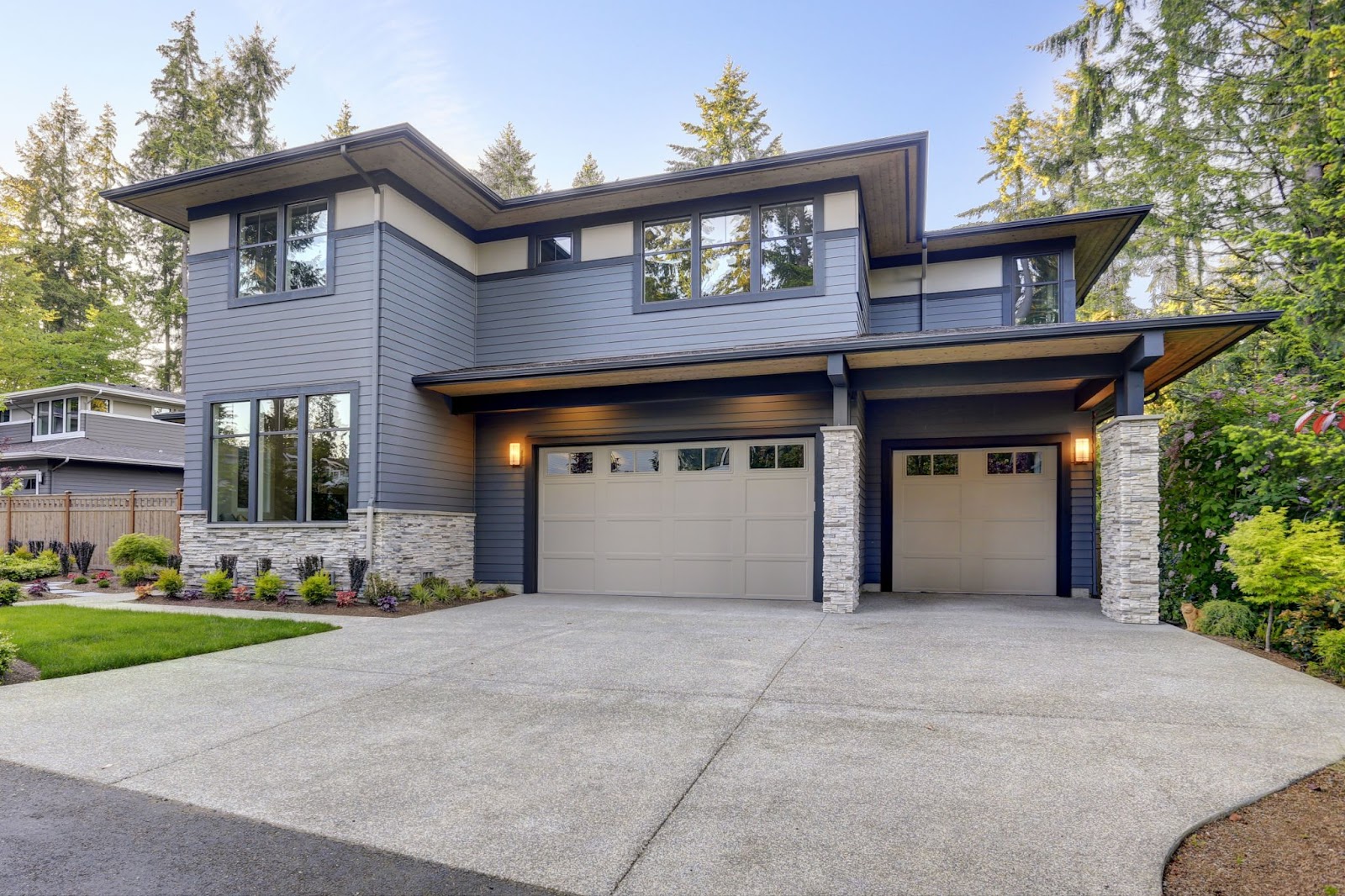
THE CASE FOR CALLING NEW JERSEY YOUR OFFICIAL HOME
Moving to New Jersey in 2025 is an exciting opportunity. With proper planning for address changes, DMV requirements, and New Jersey taxes, you’ll manage the logistics with confidence. Once settled, embracing local culture, exploring the best places to live in New Jersey, and getting involved in community life—from festivals to farmers markets—will help you feel at home faster. Every relocation comes with adjustments, but New Jersey’s high quality of life, top-ranked public schools, and abundant recreation options make it a rewarding move. Welcome to the Garden State—where suburban comfort meets city access, and your new chapter begins with opportunity.
For personalized assistance and expert insights, contact Alexander Proskurov at (732) 580-2120 or email alexpr@newjerseyresidence.com.
This is not intended as a solicitation if your property is already listed with another brokerage.