
Selling a home in the current New Jersey market means meeting exacting buyer expectations. Recent data show that move-in ready homes command premium offers, while properties needing work draw lower bids and more scrutiny. Industry sources confirm this: roughly 15% of home sale contracts in mid-2025 fell through due to problems uncovered by inspection reports. In New Jersey, where median home prices are around $500,000, even a single major repair (like replacing a roof or rewiring an outdated electrical panel) can cost tens of thousands of dollars in concessions. A pre-listing inspection helps avoid those costly scenarios by catching issues early.
For context, recent market reports show that New Jersey’s available inventory has increased, creating about three months of supply. Homes now take about 43 days to sell on average, several more than a year ago. This means buyers aren’t rushed; they can be selective. In such an environment, any perceived flaw gives buyers leverage. Conversely, sellers who present a home in pristine shape gain a competitive edge. Even minor defects loom large. For example, inspectors often find moisture issues in basements (a common NJ problem) or mold in humid areas, immediately worrying buyers about cost and health. Similarly, outdated or unsafe systems (like old electrical panels or knob-and-tube wiring) top the list of red flags. Any one of these can knock thousands off the price. By preparing the home and its paperwork in advance, sellers can shift the balance – effectively turning a “buyer beware” deal into a “seller prepared” transaction.
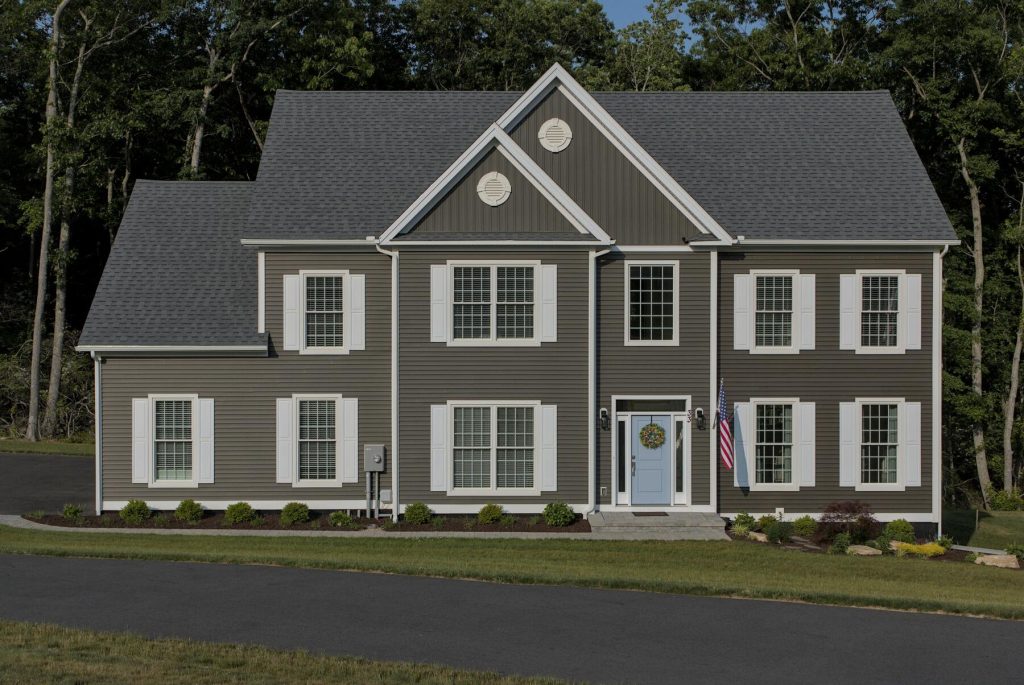
TOP BUYER CONCERNS IN THE NEW JERSEY MARKET
For sellers, recognizing these concerns can guide how to prepare their home. Across New Jersey, several issues tend to dominate buyers’ minds. These often come out in a routine inspection, which is why buyers pay close attention to them. The list below outlines the most common buyer pain points and why each matters:
- Hidden defects and major repairs: Buyers worry that the home has unseen problems (like structural cracks, roof leaks, outdated wiring or plumbing) that will only come to light later. Inspectors frequently find exactly these issues. For instance, a New Jersey inspection firm reports that outdated electrical panels, leaky plumbing, damaged roofs, and structural cracks top the list of defects. These defects can be very expensive to fix. When buyers discover them during an inspection, they often demand price cuts, repair credits, or may even cancel the purchase. Buyers often see these unknown problems as major bargaining chips. When such issues surface late in the process, sellers may find themselves paying for repairs or reducing the price significantly. In short, these hidden defects give buyers strong leverage.
- Renegotiations and deal cancellations: An inspection report loaded with problems often triggers intense renegotiation. Nationally, about one in seven sale contracts were canceled after inspection findings in mid-2025. In New Jersey’s more balanced market, buyers have alternatives, so any sign of trouble can encourage them to walk away. Sellers fear this scenario: even if a buyer doesn’t cancel outright, the seller might be forced to drop the price. In a state where prices are high, even a few thousand dollars off can erode the seller’s expected profit. Even a small reduction – say a few thousand dollars – can sharply cut into the seller’s bottom line on a high-priced home. No seller wants the stress of a last-minute price-haggle or cancellation. Simply put, renegotiations over costly repairs can kill momentum and shake confidence.
- Financing and insurance hurdles: Serious defects can also cause financing headaches. Lenders and insurers require the home to be in safe, insurable condition. For example, a home with an aging roof or faulty electrical panel might fail to qualify for an insurance policy, preventing the mortgage from closing. Redfin notes that negotiations often break down because “significant issues…prevent buyers from securing insurance, which is required for financing”. Buyers fear these hidden risks, since fixing them at the last minute can be very expensive or impossible on short notice. Lenders often require that certain safety items be fixed; if, say, a cracked foundation or bad panel isn’t remedied, the buyer’s loan could fall through. When financing falls apart, the seller is back to square one – another reason sellers dread unexplored problems.
- Condo/townhome uncertainties: Many buyers turn to New Jersey condos or townhomes as more affordable options. But these add extra layers of worry. Buyers must know the unit itself is in good shape (no hidden leaks, mold, or electrical faults). They also worry about the homeowners association’s health. A low reserve fund or pending special assessments could saddle them with unexpected fees. Home inspectors look inside the unit just like a house, catching things such as mold or leaks. Meanwhile, reviewing the condo association’s reserve study and recent meeting minutes reveals whether any large repair bills (e.g. a new roof or siding) are already funded or coming due. Sellers who provide these documents upfront can answer questions immediately and build trust. For example, showing that a big roof repair was already paid out of reserves (not an upcoming fee) removes a major worry.
- Demand for move-in readiness and transparency: Overall, buyers today expect a turn-key transaction and open communication. They prefer homes that feel ready to move into. Industry sources observe that houses marketed as move-in ready consistently get stronger offers. Buyers know what they want, and any hint of deferred maintenance will scare them off. Homes presented as truly “move-in ready” often attract premium offers. Conversely, lack of clarity about the home’s condition is a major pain point. In fact, surveys show a large fraction of sellers themselves worry an inspection will uncover problems, reflecting how much stress this issue creates. In other words, pre-listing inspections turn uncertainty into confidence by providing hard facts about the home’s condition.
By understanding these concerns, New Jersey sellers can take strategic action. Proactive transparency addresses these fears head-on. For example, addressing all the items below takes the negotiation pressure off the seller. Instead of reacting to problems under contract, the seller has already dealt with them. Below are the key ways a pre-listing inspection works to neutralize buyer objections:
WHAT IS A PRE-LISTING INSPECTION?
A pre-listing inspection (also called a seller’s inspection) is simply a full home inspection that the seller orders before listing the property. It follows the same scope as a buyer’s inspection: the licensed inspector examines the home’s major systems and structures. This includes structural elements (foundation, roof, walls, framing), electrical (service panel, outlets, wiring) and plumbing systems, heating/ventilation/AC equipment, and even safety issues (like mold, radon, or termite damage). Inspectors will note any visible defects, code violations, or worn-out components. For reference, Redfin’s home-selling guide lists structural systems, electrical, plumbing, HVAC, and moisture issues as standard checklist items.
The key benefit is timing and control. Instead of waiting for the buyer to raise questions under a tight deadline, the seller learns about all issues upfront. In practice, sellers should plan this inspection well before putting the home on the market (some recommend 6–12 months in advance). This ample lead time means sellers can shop for contractors, schedule repairs during an easy season, and address issues without the pressure of an imminent sale. Instead of surprises cropping up in escrow, the seller can proactively solve problems on their own terms. This effectively takes the guesswork out of negotiations and shows buyers that the seller offers a more transparent deal.
A typical pre-listing inspection costs only a few hundred dollars (commonly $300–$500 for a house). For this small fee, sellers gain detailed insight and can potentially save thousands later. Optional add-ons (like sewer-line video or termite checks) can be valuable in New Jersey. For example, some NJ counties require a clean sewer scope to close a sale – doing this early avoids a last-minute delay. Likewise, testing for termites is often wise in older homes.
One important note: New Jersey law requires sellers to complete a Seller’s Property Condition Disclosure form. Any material defects uncovered in a pre-inspection must be disclosed to buyers. But this is actually beneficial. By doing a pre-listing inspection, the seller ensures that disclosures are accurate and complete. Sharing the inspection report upfront builds trust and avoids accusations of hiding issues.
Before and after the inspection, communication with your real estate agent is key. A savvy NJ agent can advise which repairs will impress buyers (and which might be skipped or handled with a price credit). For example, updating a kitchen appliance or refreshing paint can add polish, while some minor issues might simply be disclosed. Having concrete data (repair quotes or assessments) arms the seller with negotiation leverage. In short, combining a professional inspection with local market know-how allows the seller to plan strategically rather than guess.

HOW PRE-LISTING INSPECTIONS ADDRESS BUYER PAIN POINTS
Once a pre-listing report is in hand, sellers can turn buyer objections into selling points. Key benefits include:
- Avoids hidden defects: Sellers now know exactly what could concern buyers. Major issues – such as an aging roof, faulty furnace, or termite damage – can be repaired in advance. Fixing these “deal breaker” items beforehand means buyers can’t use them to renegotiate. In effect, the seller decides if and how each problem is handled, instead of scrambling under pressure. Reducing surprises up front is precisely why many smart sellers choose this path.
- Minimizes renegotiations: With known issues addressed, the sale proceeds more smoothly. The seller can either complete minor fixes (a leaky pipe, broken door) or adjust the listing price before going live. This transparency greatly reduces last-minute repair demands. In practice, sellers using pre-inspections report far fewer crises during escrow. As one industry guide notes, doing this early “gives the seller the chance to address problems early and market the home strategically,” avoiding time-crunched haggling.
- Reduces cancellations: By eliminating unpleasant surprises, pre-listing inspections significantly cut the risk of a buyer backing out. For example, if a foundation crack were found only after accepting an offer, the buyer might walk. Sellers who discover and fix that crack beforehand typically see contracts close as planned. Many agents say the goal of a pre-inspection is simply to “keep deals from unraveling”. In short, a clear report means buyers don’t suddenly lose faith in the sale.
- Streamlines financing: A clean inspection report can smooth the loan process. When lenders know that major systems and structures have been checked (and issues fixed or disclosed), they’re more likely to approve the mortgage quickly. In fact, Redfin explains that deals often fall through due to expensive repairs or insurance problems. A pre-inspection helps prevent that scenario. In some cases, it even allows buyers to waive parts of their own inspection contingency if they feel fully informed, speeding the transaction toward closing.
- Enhances buyer trust: Simply put, buyers appreciate honesty. Offering an inspection report demonstrates transparency. Realtors note that sharing such information from the start “reassures buyers they’re making a solid investment”. Sellers who demonstrate this upfront honesty often attract stronger offers. By effectively signaling that nothing is being hidden, a seller makes the buyer comfortable putting in a higher bid and moving fast. Buyers respond positively when the first questions are about locks and keys instead of problems and pitfalls.
- Optimized pricing strategy: Finally, a pre-inspection helps set the right price initially. With detailed facts in hand (for example, documentation of a new water heater or HVAC service), the seller and agent can justify the listing price on merit. Overpriced homes usually attract lowball offers – but a price backed by an inspection report is harder to dispute. Redfin emphasizes that by setting a listing price that reflects true condition, “negotiations [are] smoother, since the value is backed by facts”. In practice, pricing from a well-documented baseline often means buyers trust the number and come prepared to pay it.
In practice, real cases show the payoff. For example, one seller in northern New Jersey discovered a small roof leak during a pre-inspection. Instead of waiting, he fixed it and disclosed the work. This simple step eliminated a $5,000 renegotiation that the buyer would otherwise have demanded. Similarly, a condominium seller who provided HOA financials and a recent inspection report found that buyers were happy to offer full price, having seen the home was already in good condition. Stories like these highlight how much deal-making can change when the seller is proactive.
| Buyer Concern | How Pre-Listing Inspection Helps |
| Hidden structural or system issues (roof, foundation, wiring) | Identifies problems early so sellers can fix them before listing, preventing buyers from being blindsided. |
| Last-minute repair demands or price cuts | Sellers can address needed fixes in advance or adjust price early, avoiding surprise renegotiations during escrow. |
| Canceled contracts after inspection | Resolving issues up front greatly reduces deal-breakers that cause buyers to walk away. |
| Financing or appraisal failures | Ensures major systems check out for lenders; any problems fixed or disclosed ahead prevents late-stage loan denials. |
| Condo/townhome uncertainties (HOA fees, unit condition) | Allows sellers to pair a unit inspection with HOA documents (reserve studies, meeting minutes) to reassure buyers about future costs. |
| Buyer confidence (move-in ready demand) | Demonstrates transparency and move-in readiness, which often attracts stronger offers and quicker sales. |
In summary, a pre-listing inspection removes much of the “unknown” from the sale. Sellers end up highlighting positives rather than scrambling to explain negatives, which buyers appreciate. By addressing issues early, sellers create a transparent transaction. Studies and experts agree: homes presented as well-maintained tend to command higher prices and sell faster. Preparation and transparency pay off. While a pre-listing inspection is an extra step, it is a small investment that can yield a significant return by avoiding costly last-minute surprises.
Ultimately, thorough preparation is one of the strongest selling strategies. A homeowner who knows their property inside-and-out can negotiate confidently, attract serious buyers, and command top dollar. Often, the few hundred dollars spent on a pre-listing inspection pays for itself many times over at the closing table.
SPECIAL CONSIDERATIONS FOR CONDOS AND TOWNHOMES
Condominiums and townhomes are an important segment of the New Jersey market, and they have some specific considerations. Sellers of these properties should still consider a pre-listing inspection, along with a few extra steps:
- Unit condition: A condo inspection focuses on the interior of your unit (walls, floors, windows, appliances, plumbing, etc.). Sellers should ensure all kitchen appliances, fixtures, and plumbing are in good working order, or disclose any known issues upfront. Any necessary repairs (for example, fixing a minor leak) can be completed before listing.
- HOA documentation: Condo/townhome buyers also scrutinize the homeowners association. Sellers should gather the latest reserve fund study and at least a year of HOA meeting minutes. These documents show whether the association has funds for major repairs or if special assessments are coming. Providing them upfront (along with the inspection report) prevents buyers from being surprised by a large unexpected fee.
- Shared maintenance: Townhouses often share roofs, siding, and common areas managed by the HOA. Sellers can highlight recent community-wide maintenance (for example, a new roof or siding replacement done by the HOA) and back it up with records. Emphasizing that major exterior repairs were already handled reassures buyers about future costs.
By taking these extra steps, sellers of condos and townhomes can address both the unit’s condition and the association’s health. This level of transparency reduces buyer uncertainty, leading to a smoother sale.
FROM HIDDEN RISKS TO CONFIDENT SALES
In today’s New Jersey real estate climate, savvy sellers know that buyer confidence is earned up front. A pre-listing inspection is a strategic move that tackles buyer anxieties – hidden problems, renegotiations, loan issues, and trust – before they become issues. By identifying and fixing any problems before listing, sellers transform potential deal-killers into selling points. A home backed by an inspection report signals reliability and turn-key readiness, which buyers reward with faster offers and greater willingness to pay the asking price.
Ultimately, a seller who takes charge of the home’s condition wields a powerful advantage in negotiations. Preparation and transparency lead to smoother closings and often higher final sale prices. As the market evolves, such proactive strategies increasingly separate successful sellers from the rest. In real estate, it’s often better to discover a problem on your own terms than on someone else’s. By knowing the home’s true condition up front, a New Jersey seller sells with confidence and achieves the best possible result on a tight, competitive market.
For personalized assistance and expert insights, contact Alexander Proskurov at (732) 580-2120 or email alexpr@newjerseyresidence.com.
This is not intended as a solicitation if your property is already listed with another brokerage.
