
For years, renting has been the go-to option for many residents of New Jersey. With flexible leases, lower upfront costs, and less responsibility for maintenance, it was easy to see why tenants preferred to rent, especially in urban centers like Jersey City, Hoboken, and Newark. But in 2025, a notable shift is underway: more tenants are choosing to leave behind their leases and take on mortgages.
This transition from renting to owning is not just about the dream of homeownership. It is rooted in economics, lifestyle preferences, and long-term financial planning. Rising rental costs, increased accessibility to mortgages, and the desire for stability are pushing New Jerseyans toward ownership at higher rates than in the past decade.

THE RISING COST OF RENTING IN NEW JERSEY
New Jersey’s rental market has changed dramatically over the last five years. According to Zillow data, average rents across the state have grown by more than 20% since 2020, with some hot markets seeing increases closer to 30%.
- Jersey City: Average rent for a two-bedroom apartment in 2025 is about $3,250, compared to $2,600 in 2020.
- Hoboken: Rents are pushing $3,600 for a two-bedroom, a sharp rise from around $2,800 in 2020.
- Montclair: Once seen as an affordable alternative to urban centers, rents are now averaging $3,000.
- Newark: Still relatively affordable compared to its neighbors, but even here rents have grown to about $2,200, up from $1,700 just a few years ago.
This upward trajectory makes renting less sustainable for many households. Families that once valued flexibility now find that monthly rent payments rival — and sometimes exceed — the cost of a mortgage.
BUILDING EQUITY VS. PAYING RENT
The old saying “rent money is dead money” resonates strongly in today’s housing market. Renters are increasingly aware that while they pay thousands each month to landlords, they are not building equity or investing in their futures.
By contrast, buying a home offers the opportunity to:
- Build Wealth: Home equity is often the largest source of wealth for American families.
- Lock in Costs: A fixed-rate mortgage ensures stable payments, even as rents continue to climb.
- Leverage Tax Benefits: Mortgage interest and property tax deductions can significantly reduce taxable income.
For example, a family renting a two-bedroom apartment in Hoboken at $3,600 per month spends over $43,000 per year on housing with no long-term financial return. By comparison, the same monthly payment could support a mortgage on a $900,000 home, building equity with each installment.
MORTGAGE ACCESSIBILITY AND FIRST-TIME BUYER PROGRAMS
Access to mortgages has improved significantly over the last decade. In New Jersey, a variety of first-time homebuyer programs and low down-payment options make ownership more realistic than ever before.
- NJHMFA First-Time Homebuyer Mortgage Program: Offers low-interest, fixed-rate mortgages with down payments as low as 3%.
- Down Payment Assistance Program (DPA): Eligible buyers can receive up to $15,000 toward their down payment and closing costs.
- Federal FHA Loans: Allow down payments as low as 3.5% with competitive rates.
These programs, combined with historically stable mortgage interest rates hovering around 6% in early 2025, have opened doors for thousands of renters who once thought ownership was out of reach.
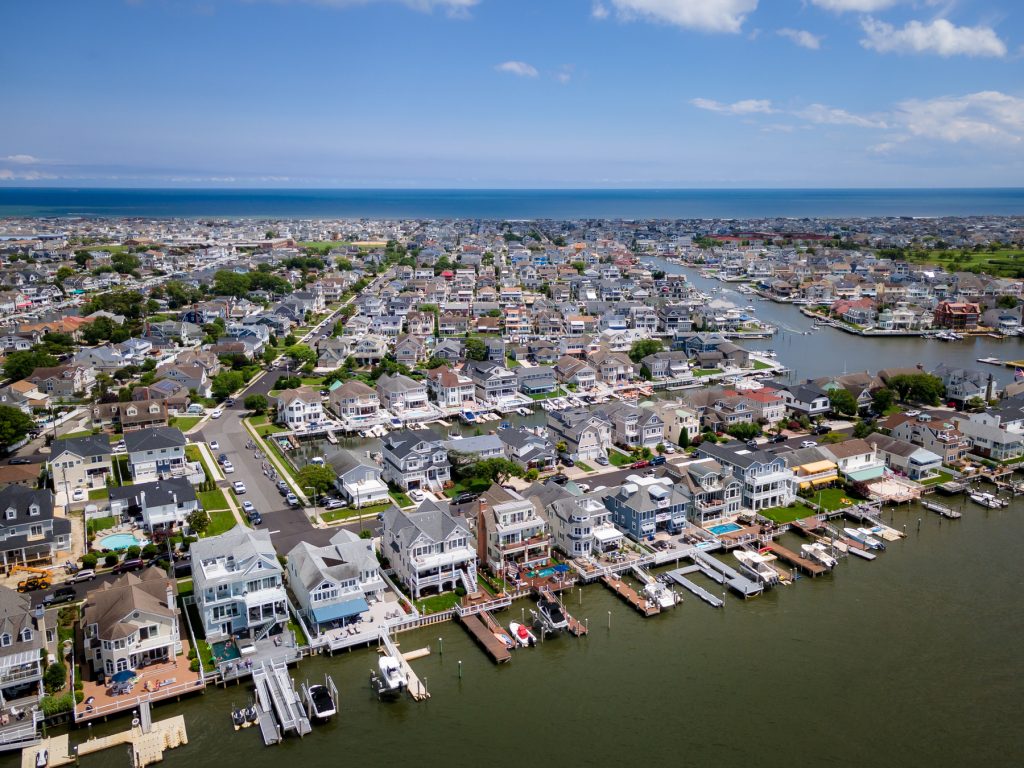
LIFESTYLE FACTORS DRIVING THE SHIFT
Beyond financial motivations, lifestyle choices play a critical role in why renters are turning into buyers.
- Stability for Families
Families with children value owning a home because it provides stability in schooling, community ties, and predictable living environments. Moving from lease to lease every year or two is disruptive, and rising rents make this even more challenging. - Space and Privacy
Post-pandemic lifestyle changes increased demand for larger homes with outdoor space. Tenants who once tolerated small apartments now prioritize having backyards, home offices, and extra bedrooms. - Personalization
Renting comes with restrictions on customizing a space. Homeownership offers the freedom to renovate kitchens, finish basements, and paint walls — investments that also increase property value. - Investment Mindset Among Millennials and Gen Z
Younger generations are increasingly motivated by financial literacy and the desire to invest early. For many, buying a home in New Jersey is seen not only as a lifestyle choice but also as a smart long-term investment.
REGIONAL HOTSPOTS: WHERE RENTERS ARE BECOMING BUYERS
While the entire state has seen growth in ownership demand, several key regions stand out.
JERSEY CITY
Long a renter’s market, Jersey City has evolved into a hub for professionals who want proximity to Manhattan but better affordability. Increasingly, renters are transitioning into buyers here, investing in condos or townhomes that provide modern amenities and equity growth.
HOBOKEN
Known for its young professionals and vibrant downtown, Hoboken renters are realizing that monthly rent rivals mortgage payments. Many are choosing to buy instead, fueling demand for condos and single-family row houses.
MONTCLAIR
Montclair has become a magnet for families seeking suburban comfort with urban flair. Renters are often drawn by the arts, schools, and community — and increasingly they’re making permanent investments by purchasing homes.
NEWARK
As one of the most affordable major cities in the region, Newark offers renters the best chance to transition into homeownership. Redevelopment projects and new construction have made it an attractive place to buy.
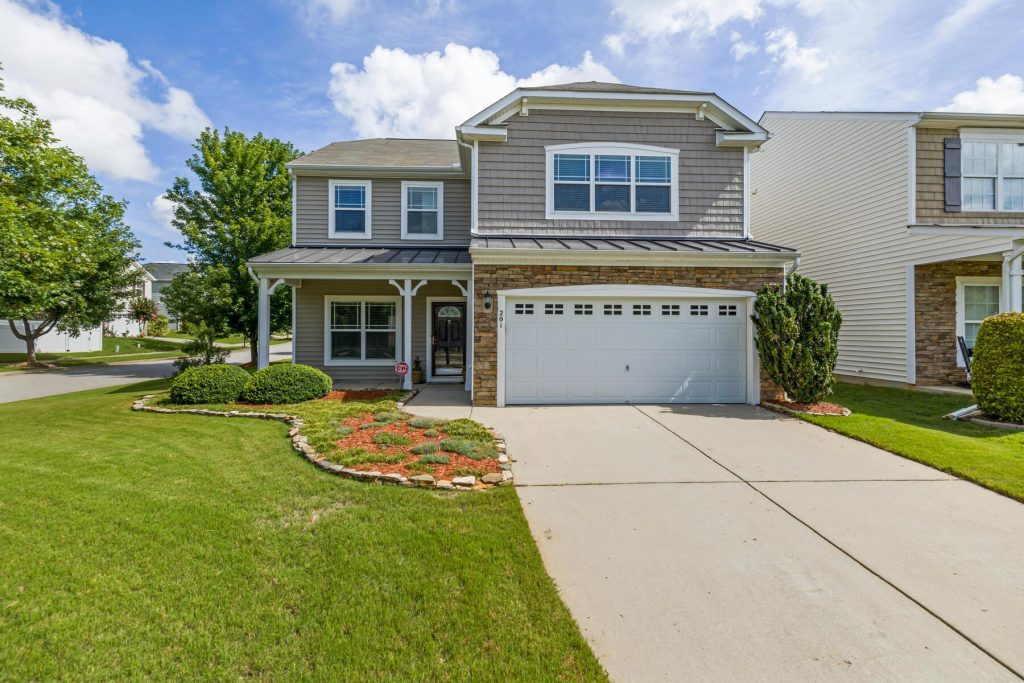
RENTING VS. BUYING IN NEW JERSEY (2025)
| Town | Avg Rent (2-BR) | Median Home Price | Est. Monthly Mortgage (20% Down, 30-Yr Fixed, ~6%) | Population Trend |
| Jersey City | $3,250 | $768,000 | ~$3,050 | Growing |
| Hoboken | $3,600 | $900,000 | ~$3,550 | Stable |
| Montclair | $3,000 | $1.35M | ~$5,300 | Growing |
| Newark | $2,200 | $450,000 | ~$2,100 | Growing |
| Summit | $3,200 | $1.22M | ~$4,800 | Stable |
CHALLENGES RENTERS FACE WHEN BUYING
The transition from renting to owning is not without obstacles.
- Down Payment and Closing Costs: Even with assistance programs, saving for a down payment can be daunting.
- Property Taxes: New Jersey has some of the highest property taxes in the country, averaging about 2.2% of home value.
- Competition: In-demand commuter towns face bidding wars, making it hard for first-time buyers to secure properties.
- Maintenance Costs: Unlike renting, homeowners are responsible for upkeep, repairs, and renovations.
Still, the long-term benefits of ownership often outweigh these hurdles. With proper planning and professional guidance, many tenants successfully make the leap.
CLOSING PERSPECTIVE: A PATH TO STABILITY AND GROWTH
The demand for homeownership in New Jersey is expected to grow over the next five years. Zillow forecasts moderate but steady appreciation in home prices across the state, with commuter towns leading the way. As rents continue to climb, more tenants will see the value in transitioning to ownership.
Additionally, demographic shifts support this trend. Millennials are entering peak homebuying age, and Gen Z is beginning to step into the housing market. Both groups prioritize financial stability, investment potential, and lifestyle customization — all of which ownership provides.
The movement from renting to owning is reshaping New Jersey’s housing market. Rising rental costs, improved mortgage accessibility, and lifestyle aspirations are pushing more tenants to buy homes. Whether in vibrant urban centers like Jersey City and Hoboken, family-friendly suburbs like Montclair and Summit, or revitalized cities like Newark, renters are increasingly seeing ownership as the smarter, more sustainable choice.
For New Jersey residents, this shift represents more than just a change in housing status. It’s a pathway toward financial stability, community building, and long-term growth. And as more tenants make this transition, New Jersey’s real estate market will continue to thrive.
For personalized assistance and expert insights, contact Alexander Proskurov at (732) 580-2120 or email alexpr@newjerseyresidence.com.
This is not intended as a solicitation if your property is already listed with another brokerage.
