Sustainability is no longer a niche trend but a mainstream priority in New Jersey’s urban housing market. In places like Jersey City, Hoboken, and neighboring counties, a growing share of buyers are seeking homes that conserve energy, water, and resources. This shift reflects broader concerns about climate change and energy costs: the average U.S. household spends about $2,000 a year on energy bills, and the residential sector accounts for roughly 20% of the nation’s carbon emissions. By contrast, a well-designed green home cuts utility bills and carbon output dramatically. In this report, we define what makes a home “sustainable,” examine the 2025 market trends in New Jersey, and explain the environmental, financial, and resale benefits that explain why more local buyers are going green.
SUSTAINABLE VS. TRADITIONAL HOMES: WHAT’S THE REAL DIFFERENCE?
| Feature | Sustainable Home | Traditional Home |
| Energy Use | Low – efficient insulation, LED lighting, heat pumps | Higher – older HVAC, poor insulation, incandescent lighting |
| Electric Bill (monthly) | $80–$120 on average | $200–$300+ (depending on system and home size) |
| Heating/Cooling System | High-efficiency heat pump or ENERGY STAR HVAC | Gas/oil furnace, older AC unit |
| Windows & Insulation | Triple-pane, low-E windows, air-sealed and upgraded insulation | Single or double-pane, often outdated insulation |
| Water Conservation | Low-flow fixtures, drought-resistant landscaping, smart irrigation | Standard fixtures, turf lawns, inefficient watering |
| Solar Power | Often included — eligible for tax credits and net metering | Typically absent |
| Resale Value Impact | +2–8% price premium (on average) | Standard market value |
| Indoor Air Quality | High – low-VOC materials, ventilation systems | May contain VOCs, poor air circulation |
| Maintenance Costs | Lower over time due to efficient systems | Higher (less efficient systems age faster) |
| Environmental Impact | Reduced carbon footprint, minimal resource waste | Higher emissions and energy consumption |
| Incentives Available | Federal tax credits, NJ Clean Energy rebates, solar exemptions | None (unless upgraded) |
WHAT DEFINES A SUSTAINABLE (GREEN) HOME?
A sustainable home is one that minimizes its environmental impact through efficiency and conservation. Such homes use less energy and water, emit fewer pollutants, and incorporate materials and technologies that reduce waste and emissions over their lifetime. Key characteristics of sustainable homes include:
- Energy Efficiency: High-performance insulation, windows, and appliances that cut electricity use. For example, triple-pane windows and tight air sealing keep homes warm in winter and cool in summer without overworking the HVAC system. ENERGY STAR appliances and LED lighting use up to 75% less electricity than older models.
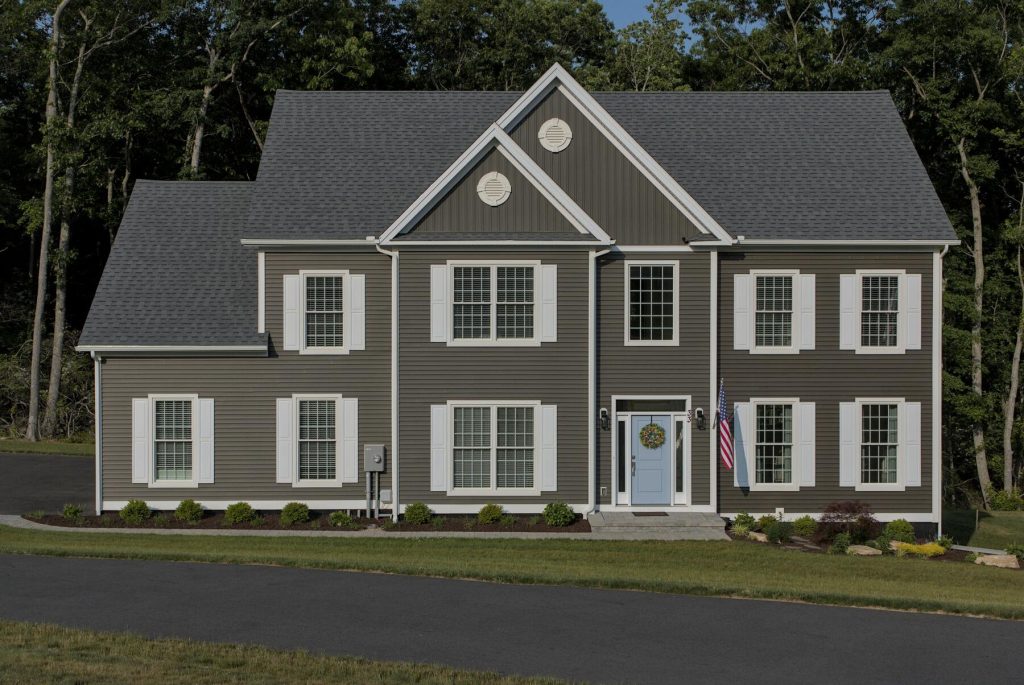
- Clean Energy Generation: On-site renewable power such as solar panels or solar water heaters. Solar panels harness New Jersey’s ample sun to offset grid electricity, lowering bills and emissions. In fact, one Zillow-based study found that solar-equipped homes sold for about 6.9% more than comparable non-solar homes – roughly a $29,000 premium for the median house (see image below). New Jersey’s solar-friendly policies (tax exemptions and net metering) further boost the value of photovoltaic systems.
- Smart Heating and Cooling: Modern heat pumps and high-efficiency HVAC systems use three to five times less energy than conventional furnaces, because they move heat instead of generating it. Buyers now expect features like multi-zone thermostats and smart controls (Nest, Ecobee, etc.) that trim wasted heating and cooling.
- Water Conservation: Low-flow fixtures, drought-tolerant landscaping, and rainwater capture systems that reduce water waste. Low-flow toilets and showerheads, for instance, can slash indoor water use by 20–60%. Collecting rainwater for irrigation or toilet flushing reduces municipal water demand. These “smart water use” measures cut water bills and lessen strain on aging urban infrastructure.
- Green Building Materials: Use of recycled or rapidly renewable materials (reclaimed wood, bamboo, cork, low-VOC paints) and non-toxic construction methods. These choices reduce waste and indoor air pollution. Homes built with sustainable materials earn points toward certifications like LEED or Passive House, and they appeal to health-conscious buyers.
- Other Eco Features: Bike storage/EV charging for green transportation, cool or green roofs that reflect heat, and site planning that maximizes natural light. Even community factors—such as proximity to transit, walkable neighborhoods, and urban gardens—are part of the eco-friendly package.
Builders and buyers use integrated design – from high-tech insulation and heat pumps to water-sensing fixtures – to create homes that are comfortable, healthy, and low-cost to operate. As one green home expert puts it, a truly sustainable house “uses human resources, building materials, energy and water in an efficient manner”.

STRONG MARKET DEMAND FOR GREEN HOMES IN NJ
By 2025 the New Jersey market is seeing growing demand for eco-friendly homes, especially among urban buyers. Industry analysts and agents report that sustainability is now a must-have rather than a luxury. A search of Redfin’s database found 532 homes in New Jersey currently labeled as “Green”, with over 350 actively for sale. In Jersey City and Hoboken – urban markets once thought of as tough for new construction – many new condos and townhomes now offer LEED certification, solar PV, and high-efficiency systems to attract buyers. Across Hudson County, home prices remain high (median ~$600K in Jan 2025), but the “green factor” is shaping the competition: homes that deliver lower bills are more desirable. Even in a cooling market, sustainable upgrades can give sellers an edge. As one expert notes, “Minor renovations focused on energy efficiency can significantly boost property value”.
At the same time, macro trends are dovetailing with green demand. Rising energy costs and stronger environmental awareness (especially among younger professionals) mean that green features are not just for the eco-warrior niche. Mortgage rates are expected to hold around 6% in 2025, tempering buying power. This makes lower operating costs more attractive: a sustainable home can cost $100–$300 less per month to heat, light and cool than an equivalent conventional house. In New Jersey’s competitive markets, even walkability and transit access are now seen as eco-features. Urban areas like Jersey City and Hoboken score high on transit, and they complement green home elements (e.g. bike/ped-friendly streets, downtown amenities). In short, more NJ buyers are looking for homes that align with their values and budgets – and that often means green technology and design.
COMMON SUSTAINABLE HOME FEATURES IN NJ
New Jersey homebuyers now expect a menu of green features when shopping. The top eco-friendly amenities in demand include:
Solar PV Systems: Rooftop solar panels remain hugely popular. NJ’s incentives (30% federal credit plus state sales-tax and property-tax exemptions) make solar financially attractive. Buyers love the idea of “owning” their electricity. Solar can cut utility bills by thousands annually and boosts home appeal.
High-Performance Windows and Insulation: Homes built or retrofitted with advanced insulation (spray foam, double-wall framing) and triple-pane or low-E windows lock in conditioned air.
Modern Heat Pumps and HVAC: Efficient heat-pump systems (air-source or cold-climate) are the new standard for heating and cooling. They provide both heating and AC in one unit. NJ buyers look for ENERGY STAR-rated HVAC with zoning or smart controls. Such systems deliver year-round comfort with significantly lower energy use.
Smart Thermostats and Home Automation: Tech devices like Nest, Ecobee, and whole-home energy monitors are big draws. They allow owners to precisely control and reduce energy use.
Water Conservation: Features that cut water use are increasingly common. Buyers look for low-flow toilets, efficient showerheads, and faucet aerators. Drought-tolerant native landscaping and drip irrigation are valued for saving water. Rain barrels or graywater systems (for irrigation and toilets) are less common but appealing to the eco-minded. Efficient appliances (Dishwashers/washers with WaterSense labels) also count.
Sustainable Materials and Air Quality: Green builders highlight bamboo or reclaimed wood flooring, recycled-content tile, and paints free of VOCs. Good indoor air quality (air filtration systems, ventilation) is another selling point. Buyers notice features like energy-efficient LED lighting and appliances (up to 50% energy savings per device) and prefer homes with these upgrades.
EV Charging: With electric vehicles on the rise, an in-garage charger is a hot feature. Many new urban houses include a Level-2 EV charger ready to go. Even if homeowners don’t have an EV yet, they see this as a future-proofing amenity (and can tap a $250 NJ charger rebate).
These examples show that “sustainable features” cover a broad range – from core systems (solar, heat pump, insulation) to lifestyle conveniences (EV ready, smart tech). In New Jersey’s cities, where energy costs and regulations are high, homes often combine several green elements. For instance, a Jersey City condo complex might be LEED-certified, with solar panels on the roof, smart thermostats in each unit, and common-area EV chargers. Even modest upgrades – swapping a furnace for a heat pump, or installing LEDs throughout – are viewed by buyers as improvements that cut future costs and signal a modern, responsible home.
INCENTIVES, REBATES, AND TAX BENEFITS FOR NJ BUYERS
To encourage energy savings, federal, state, and local programs offer generous incentives for green homes. NJ buyers should tap these to offset upgrade costs:
Federal Tax Credits: Under the Inflation Reduction Act, homeowners get 30% tax credits for many efficiency improvements. This includes solar panels (30% of cost), geothermal systems (30%), battery storage (30%), and air-source heat pumps (30%, up to $2,000/year). Even insulation, windows, and efficient doors qualify at 30% (up to $600 each, $1,200 cap). These credits are direct dollar-for-dollar reductions on federal taxes, and they stack. For example, a $20,000 solar installation could earn a $6,000 tax credit (already 30%) plus state benefits.
NJ Solar Sales & Property Tax Exemptions: New Jersey offers a 100% sales tax exemption on all solar equipment, saving 7% off the sticker price immediately. There is also a Solar Property Tax Exemption: adding solar panels does not increase your property tax assessment. This means you reap the full value of the improved home without higher taxes.
Local Programs: Some cities and counties have additional grants or rebates. For example, certain NJ municipalities offer property tax abatements or grants for historic or efficiency renovations. Buyers should check state resources (DSIRE database) and local green building councils.
Tens of thousands of dollars in tax credits and rebates are available to New Jersey homebuyers who invest in green features. This significantly improves the cost-benefit of going sustainable. In many cases, federal and state incentives cover over half the incremental cost of solar or HVAC upgrades, making the monthly savings practically “free” after incentives. (For example, if $10,000 of credits cover solar panel costs, the remaining investment may pay for itself in just a few years of lower electric bills.) NJ buyers can also finance efficiency improvements with low-interest “green” loans offered by some banks, or via on-bill repayment through their utilities as noted above.
THE FUTURE OF HOUSING: WHY GOING GREEN IS THE SMART CHOICE FOR NEW JERSEY HOMEBUYERS
Urban buyers in New Jersey are increasingly choosing sustainable homes for their energy savings, environmental benefits, and strong resale values. A green home – one with features like solar panels, efficient insulation, heat pumps, and smart systems – can cut hundreds of dollars off monthly utility bills. These savings, combined with higher sale prices for certified green, make going green a wise investment. Incentives and rebates (federal tax credits of 30% on solar/efficiency upgrades, NJ’s solar tax exemptions, PSE&G rebates, etc.) further tip the balance. For Jersey City, Hoboken, and nearby metro markets, embracing green homes means lower costs, a healthier lifestyle, and future-proof value. Homebuyers and sellers who highlight eco-friendly features find themselves at the forefront of New Jersey’s housing trends.
For personalized assistance and expert insights, contact Alexander Proskurov at (732) 580-2120 or email alexpr@newjerseyresidence.com.
This is not intended as a solicitation if your property is already listed with another brokerage.